If you’ve been researching reverse osmosis, you’ve probably seen two extremes: “RO removes everything” on one side, and “RO is pointless” on the other. The truth is much more useful—and much more practical for homeowners—once you separate what RO is designed to reduce from what it’s not meant to handle.
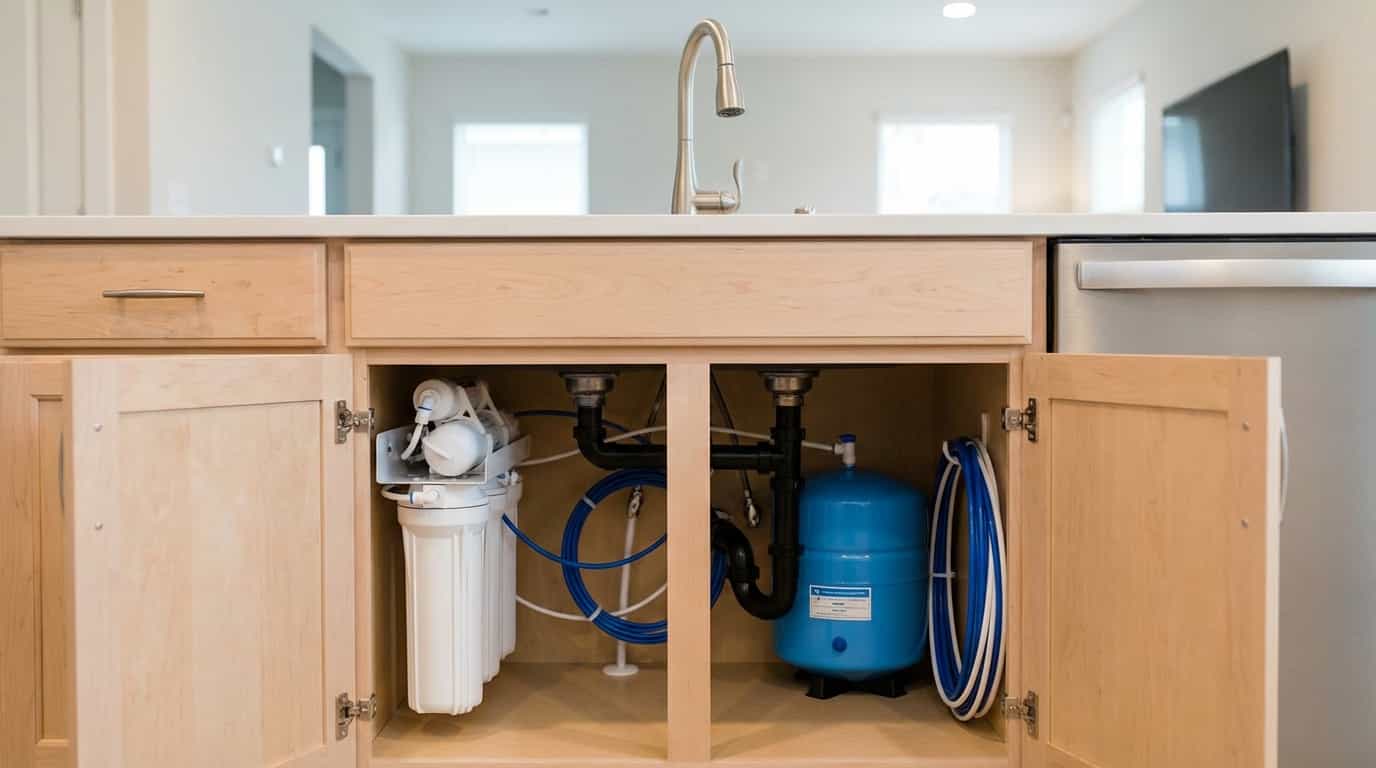
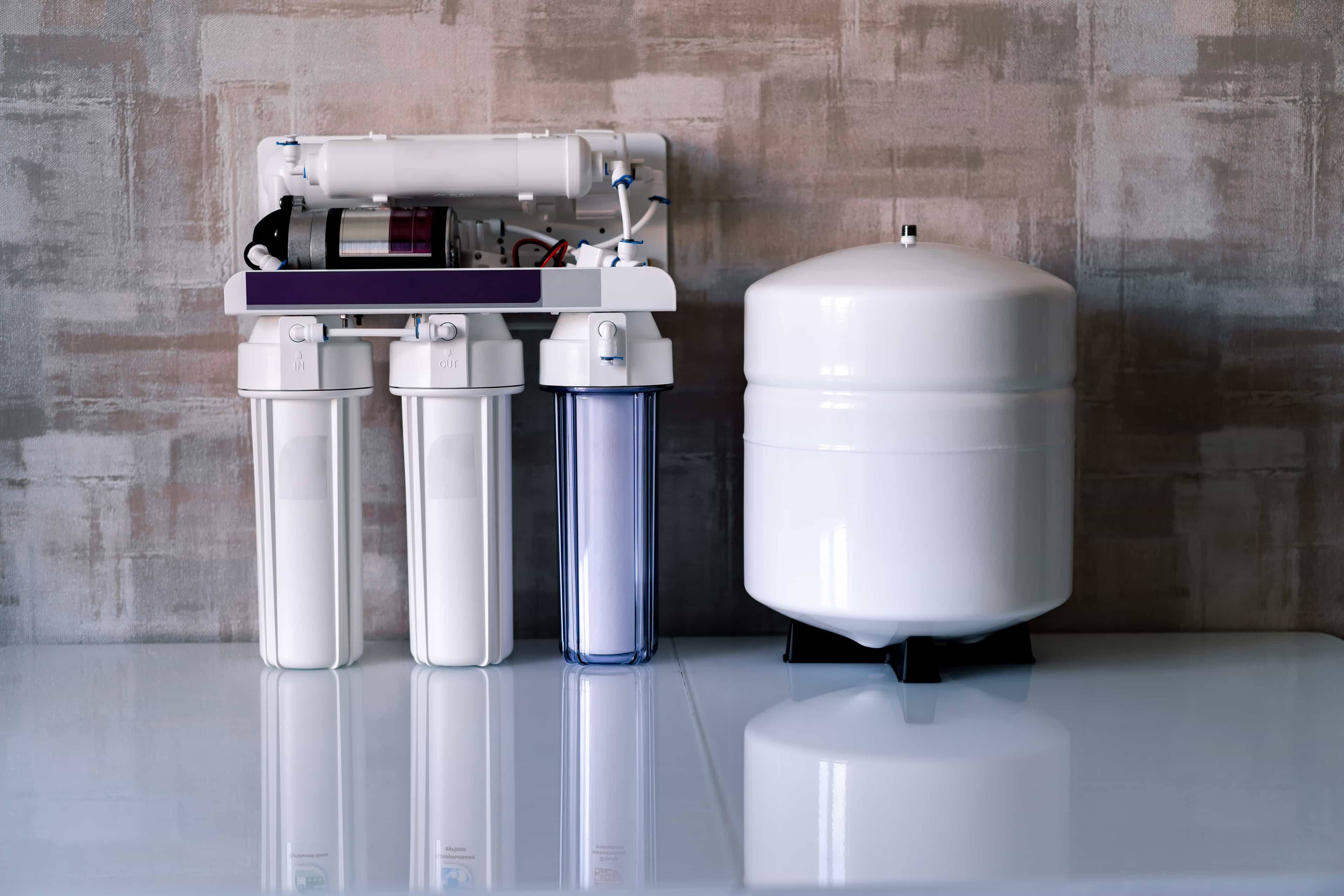
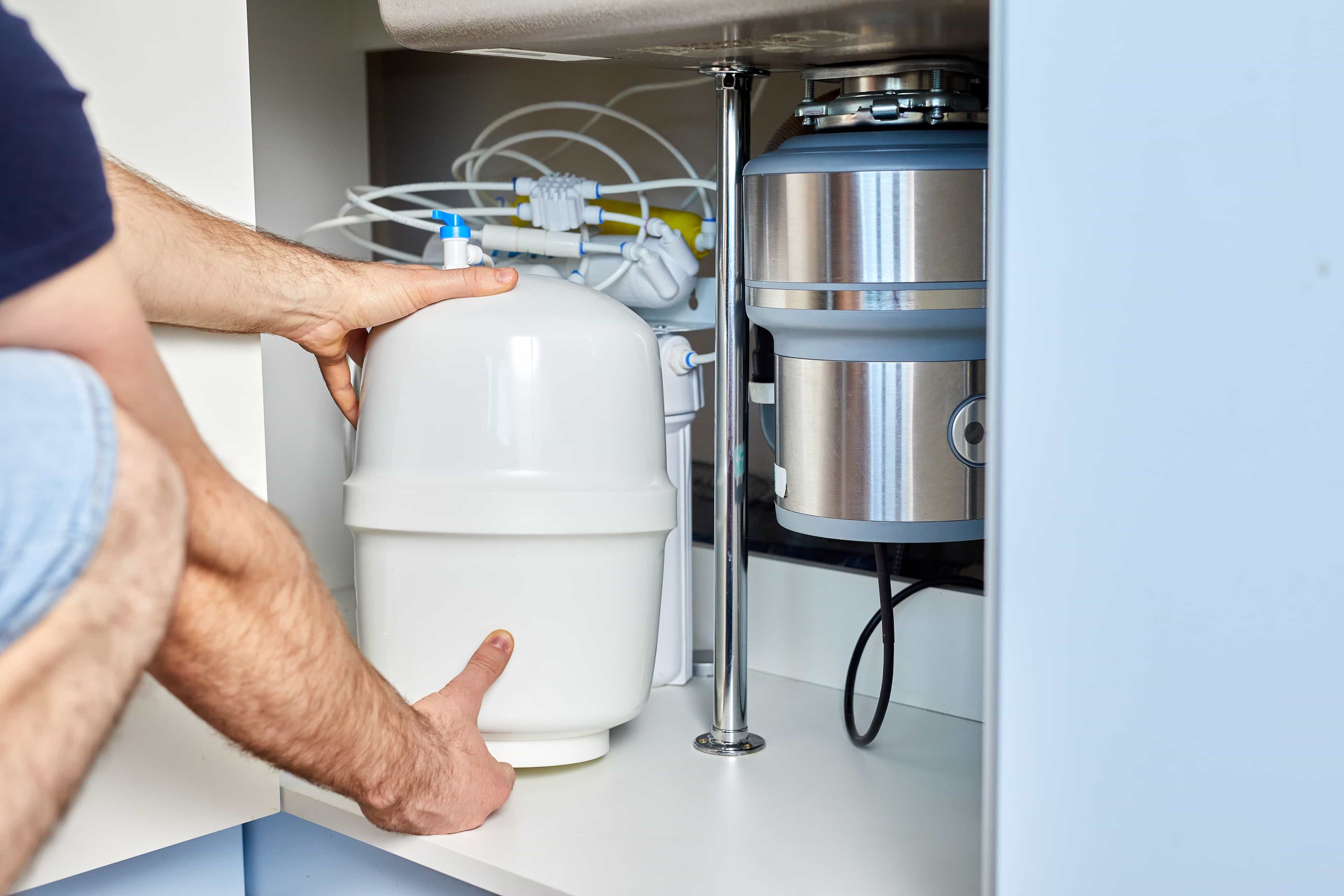
A helpful place to start is how it’s used in real homes: in Health Canada’s overview of household drinking water treatment, reverse osmosis is positioned as a point-of-use device typically installed at the tap, which matters because it sets expectations about both capacity and purpose. Most residential RO systems are built to polish water you drink and cook with, not to treat every litre that runs through showers, laundry, and outdoor hose bibs.
From there, the next mindset shift is this: RO is strongest when the problem is dissolved—think minerals and many “invisible” contaminants that don’t settle out or get caught by a simple screen. But RO is not the homeowner version of a municipal treatment plant. It doesn’t magically replace disinfection, it doesn’t automatically fix nuisance well issues like iron staining, and it shouldn’t be judged solely by a single “removes 99%” marketing line.
This guide will give you a clear framework by:
- Grouping common water concerns into “contaminant buckets” that homeowners actually recognize
- Explaining why RO performance varies in the real world (even when two neighbours buy “the same” system)
- Translating Canadian realities—municipal disinfection by-products, private well bacteria risks—into practical decisions
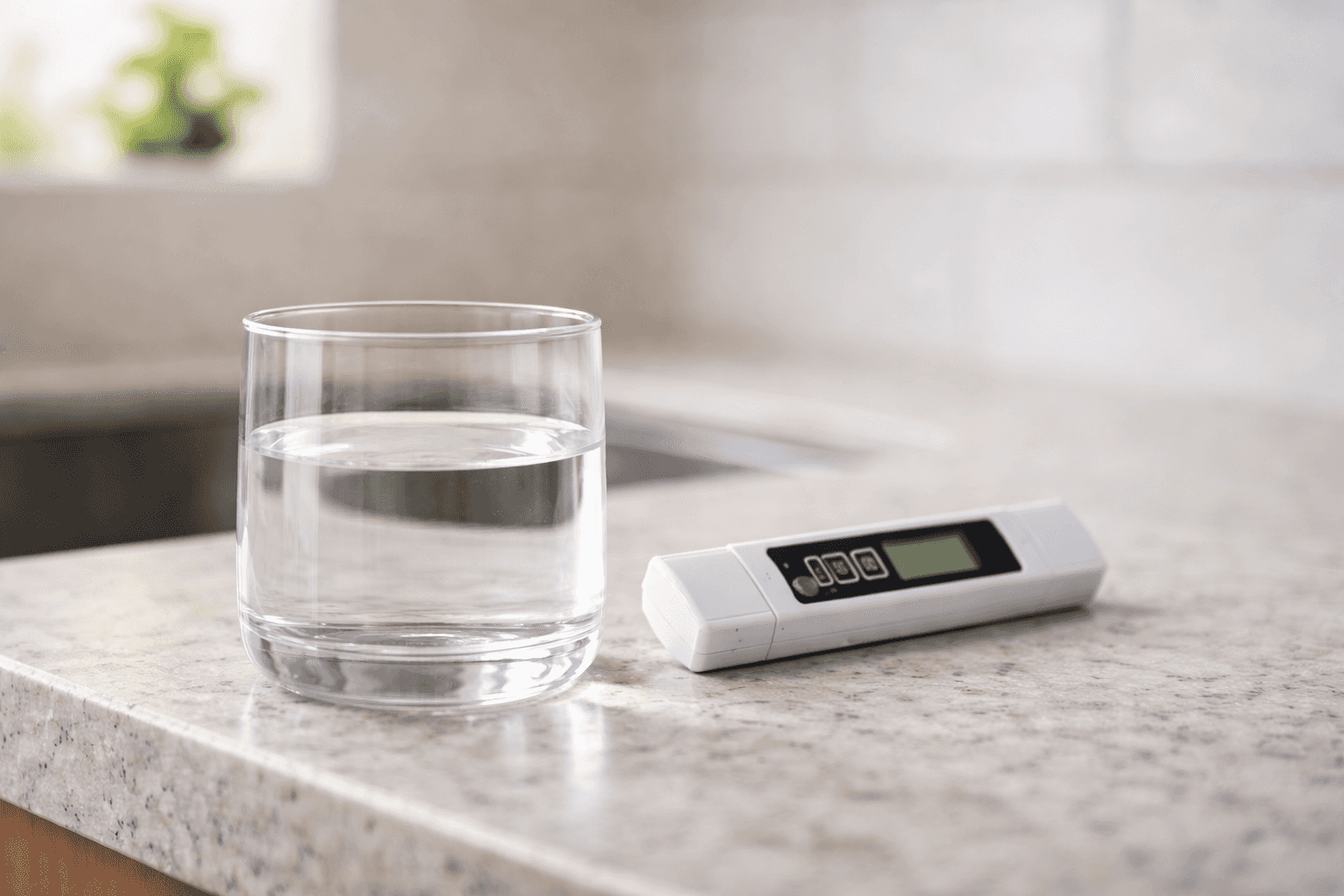
- Showing you how to validate RO claims without getting lost in fear-based messaging
The goal isn’t to convince you that everyone needs RO. It’s to help you make one confident call: Is RO the right tool for your water—and if yes, what should you verify before you buy?