Best Steam Cleaners in the Canadian Market in 2026: Comparing Heat, Versatility, and Surface Safety
Our guide compares the best steam cleaners in Canada, from slim steam mops to canister units for grout and upholstery. See top picks, key specs, and what to know about flooring safety and runtime.
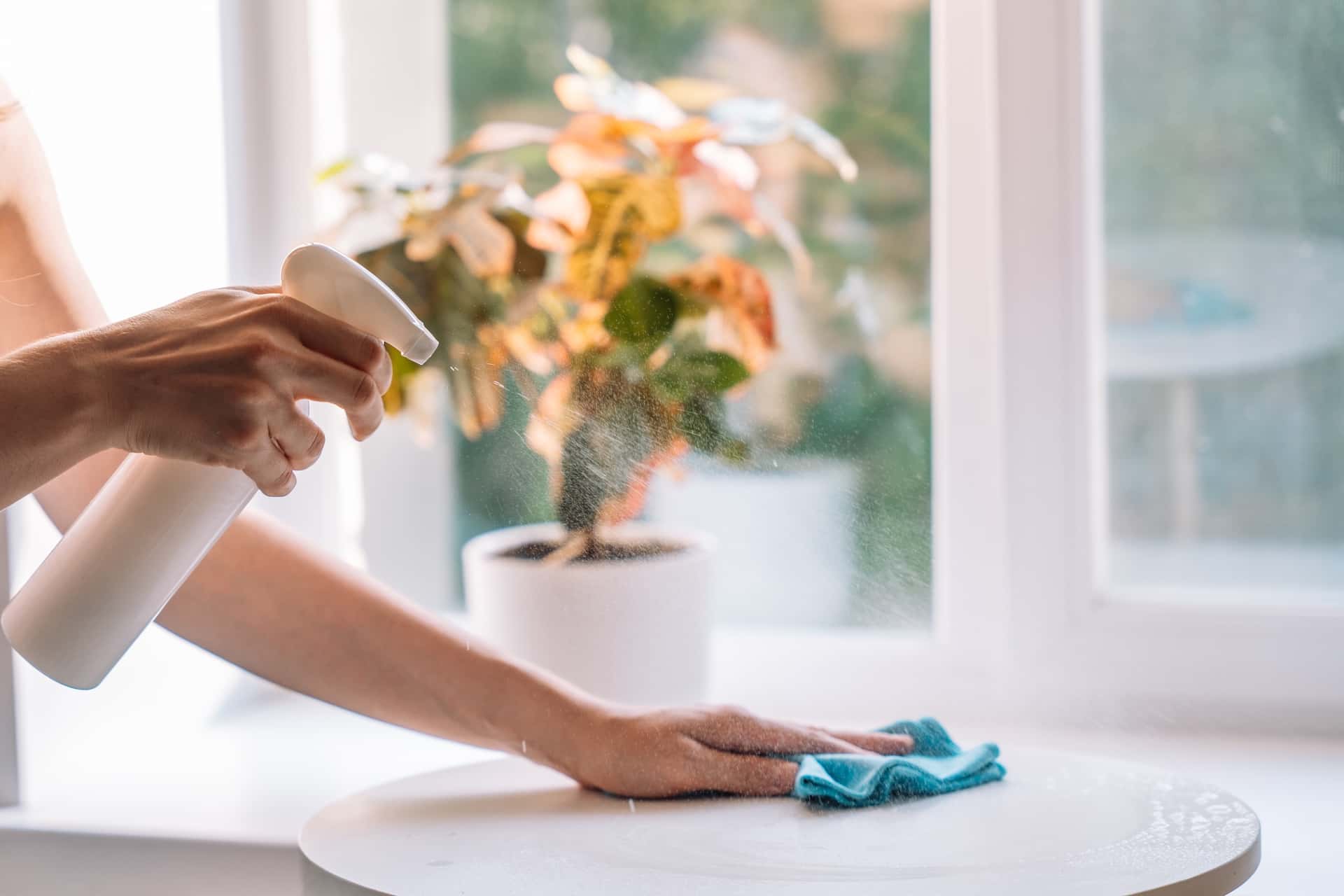
Credit: Shutterstock
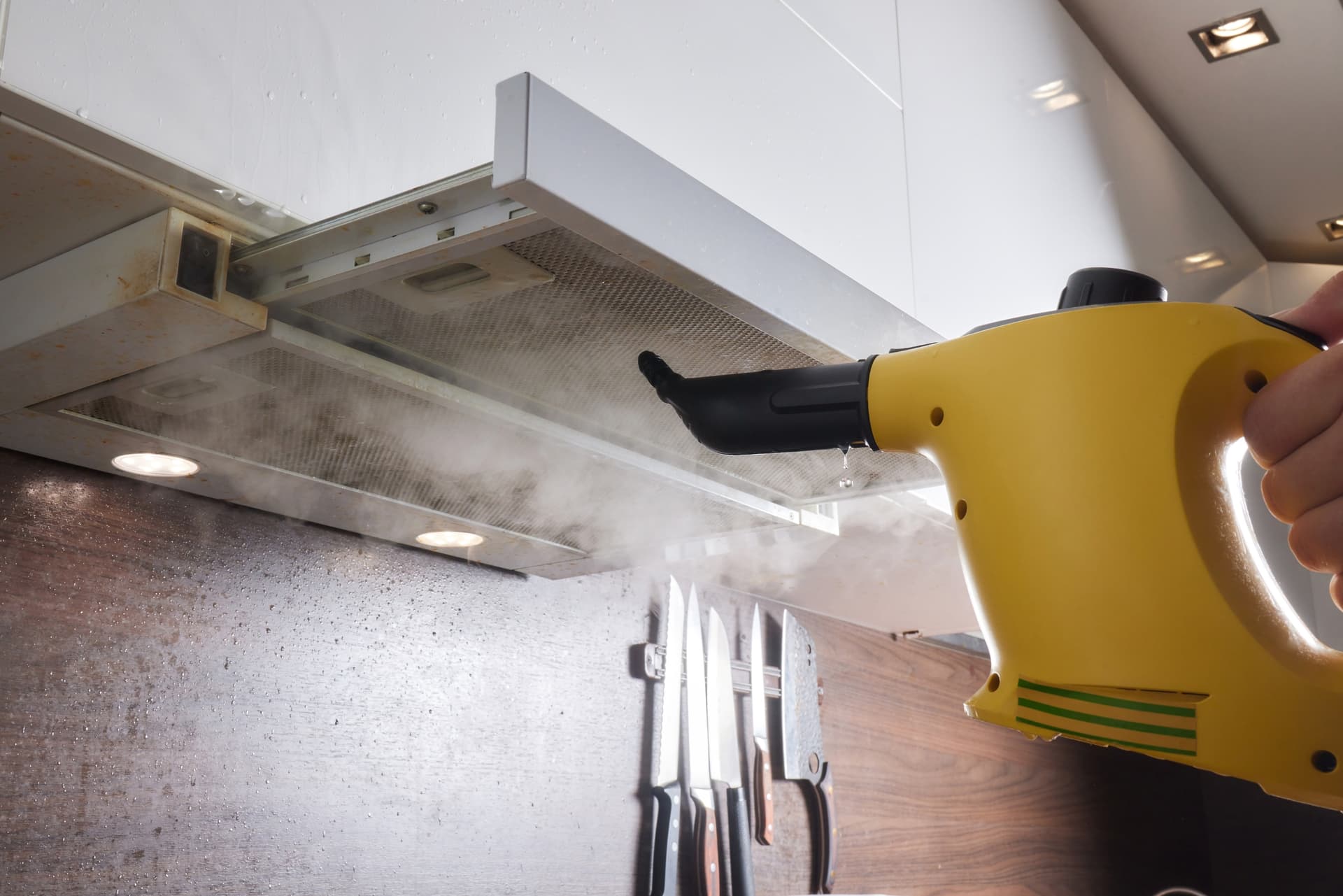
A steam cleaner can be a smart tool for tile, sealed hard floors, grout, upholstery, and kitchen messes, but this is also a category where plenty of buyers choose the wrong type of machine. The biggest mistakes are overestimating sanitizing claims, ignoring floor compatibility, and buying a bulky canister for quick touch-ups or a tiny mop for jobs that really need longer runtime and stronger steam.
We evaluated 6 steam cleaners sold in Canada, covering lightweight steam mops, 2-in-1 designs, and full canister models. Each one was scored across performance, ease of use, durability, features, and value, with close attention to tank size, runtime, heat-up time, cord reach, safety protections, recall status, accessory kits, and warranty coverage.
The result is a guide that separates quick everyday cleaners from true deep-cleaning machines. Below, you'll find our top picks, full rankings, and practical buying advice so you can choose the right steam cleaner for your floors, bathrooms, fabrics, and cleanup style.
Our Top Picks: Steam Cleaners
Best Overall Pick
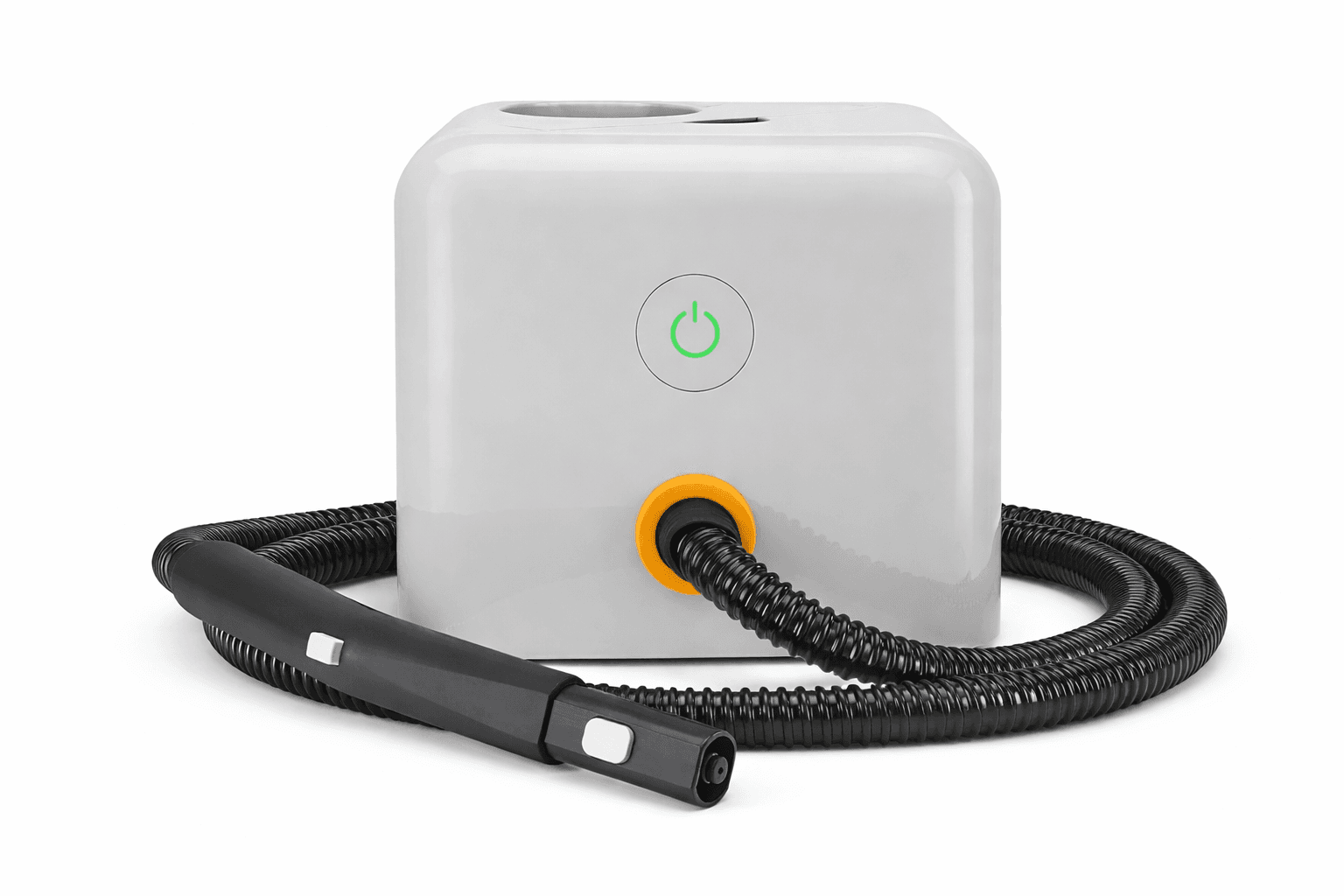
Dupray Neat Plus Steam Cleaner
The most complete steam cleaner here, pairing real canister power with a much faster heat-up and fewer day-to-day annoyances.
Best Value Pick
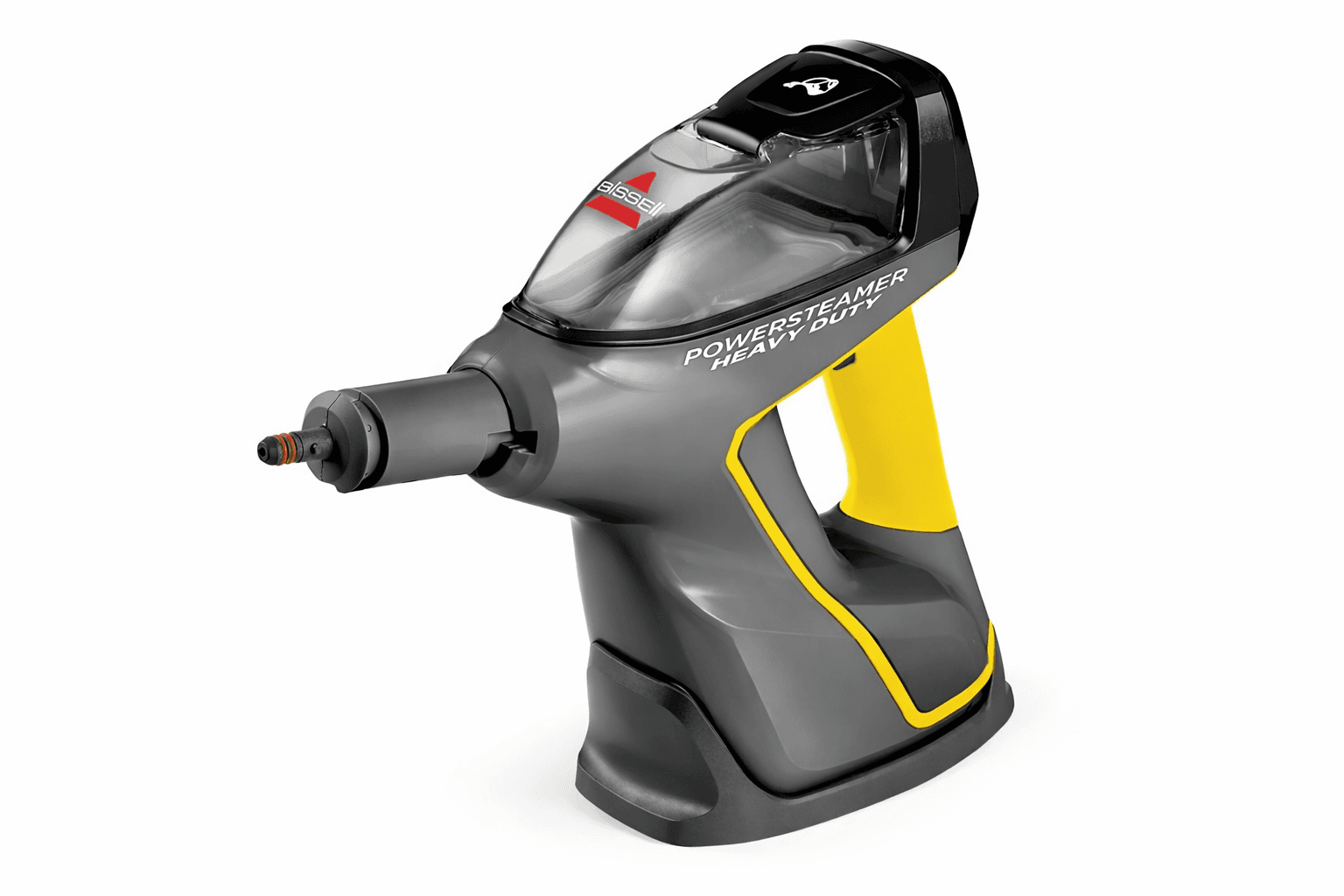
Bissell Power Steamer Heavy Duty Steam Mop and Handheld
The most versatile all-rounder in the group, with a huge accessory kit that bridges everyday floors, bathrooms, garage cleanup, and car interiors.
Best Upgrade Pick
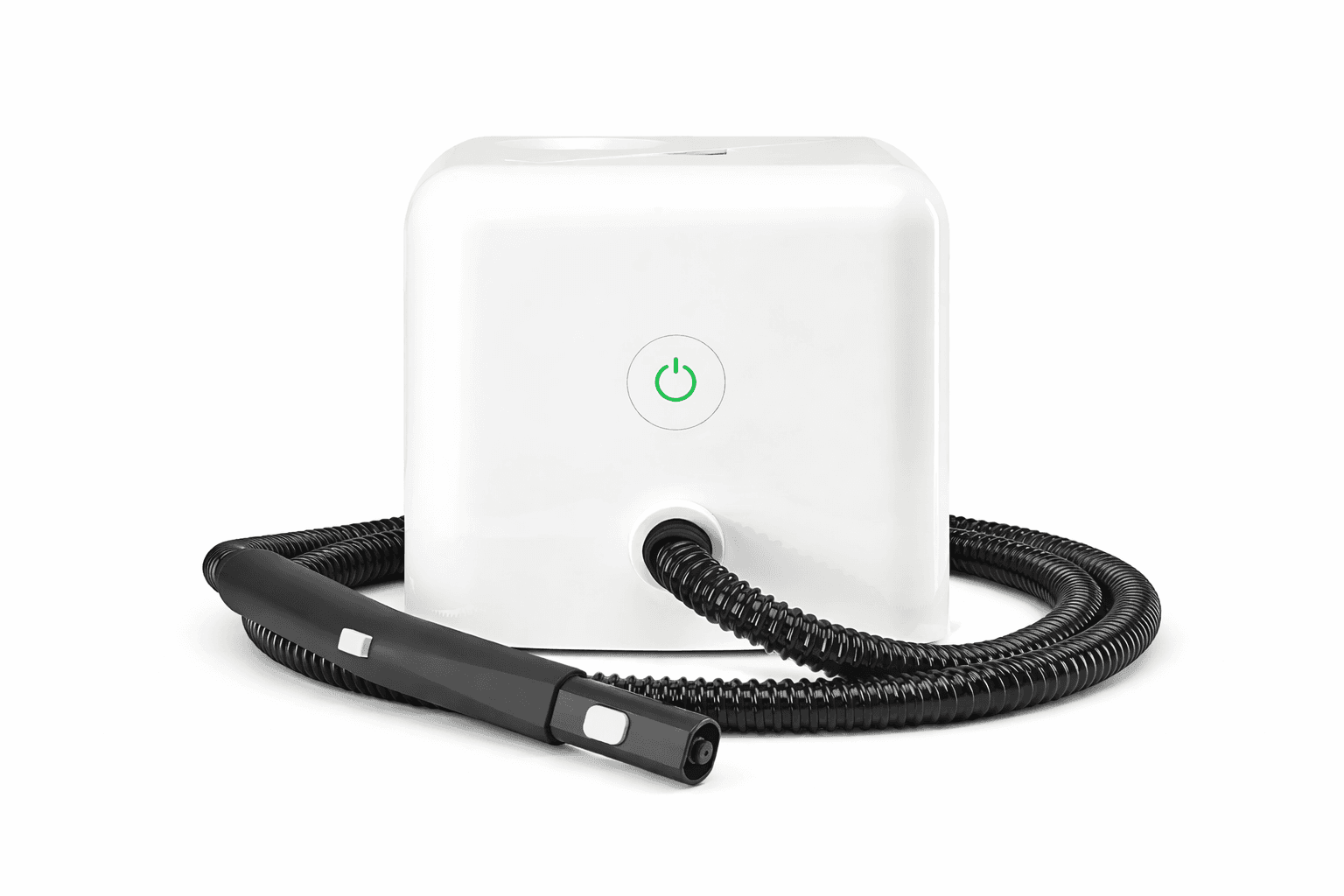
Dupray Neat Steam Cleaner
A Canadian canister steamer that delivers serious whole-home cleaning power without jumping to the Neat Plus price.
Best for Apartments Pick
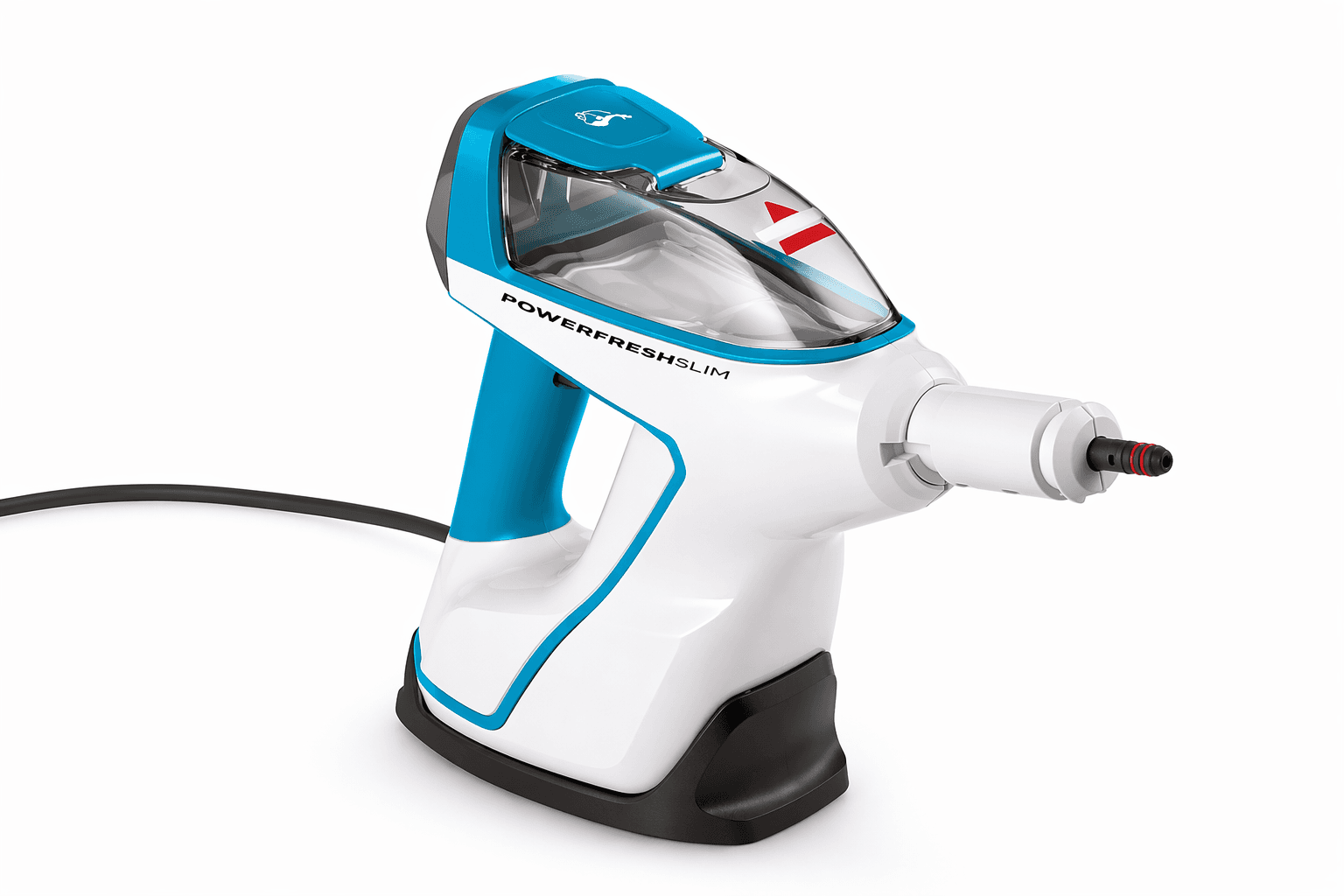
Bissell PowerFresh Slim Steam Mop and Cleaner
The easiest everyday steam cleaner here for small homes, thanks to its fast heat-up, long cord, and genuinely useful lift-off handheld mode.
How We Evaluated
We assessed each steam cleaner using a spec-first approach backed by consumer research and Canadian market context. That means we looked closely at how much steam a product should realistically deliver, how easy it is to live with, how well it signals safety and long-term ownership confidence, what features it adds beyond basic floor cleaning, and whether the asking price makes sense for what buyers get.
Scoring Factors Explained
Compare Products
See how all 6 products stack up across 12 key specs — from Price to Heat-Up Time (seconds).
| Product | Dupray Neat Plus Steam Cleaner Best Overall | Dupray Neat Steam Cleaner Best Upgrade | Bissell Power Steamer Heavy Duty Steam Mop and Handheld Best Value | Bissell PowerFresh Slim Steam Mop and Cleaner Best for Apartments | 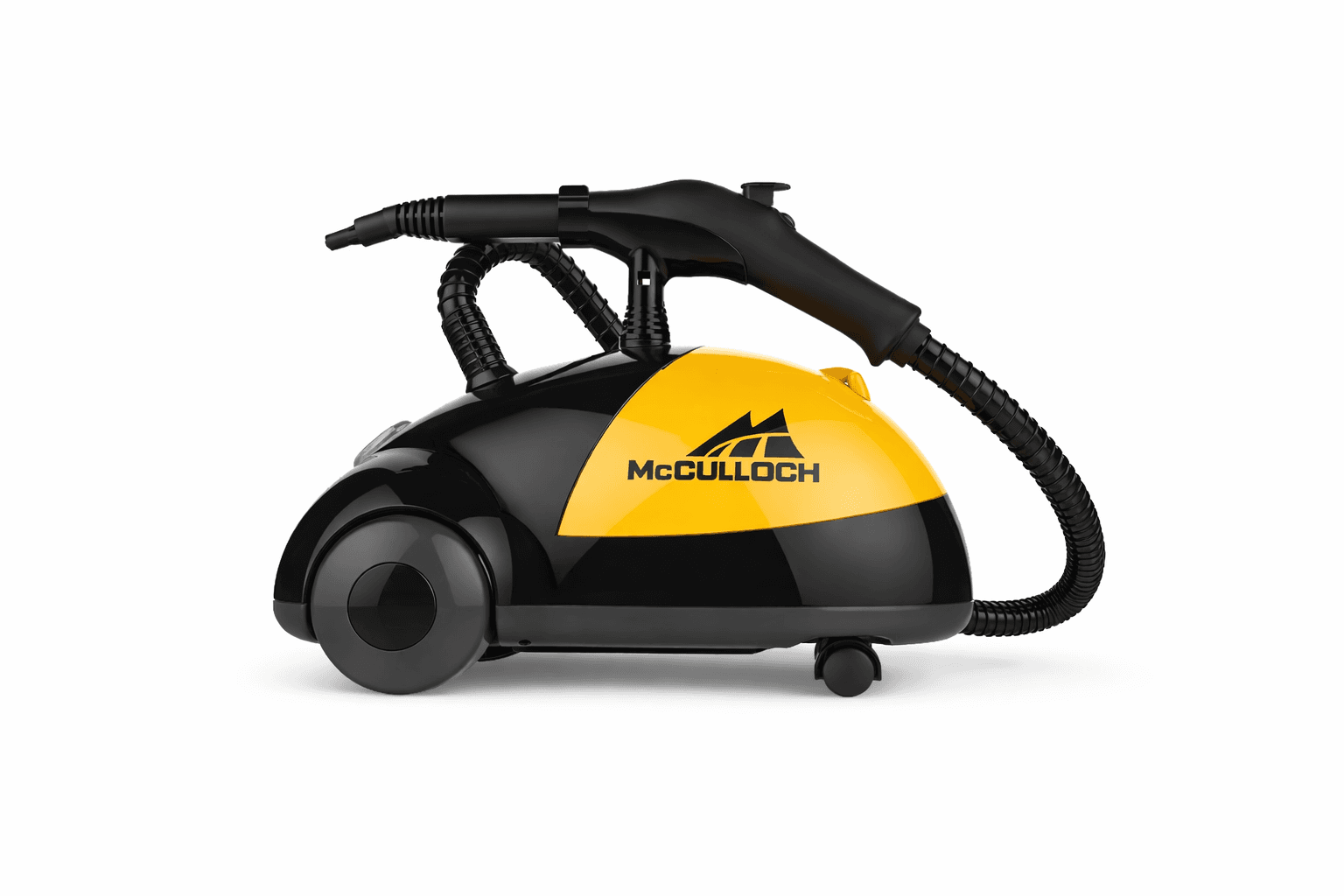 McCulloch MC1275 Heavy-Duty Steam Cleaner | 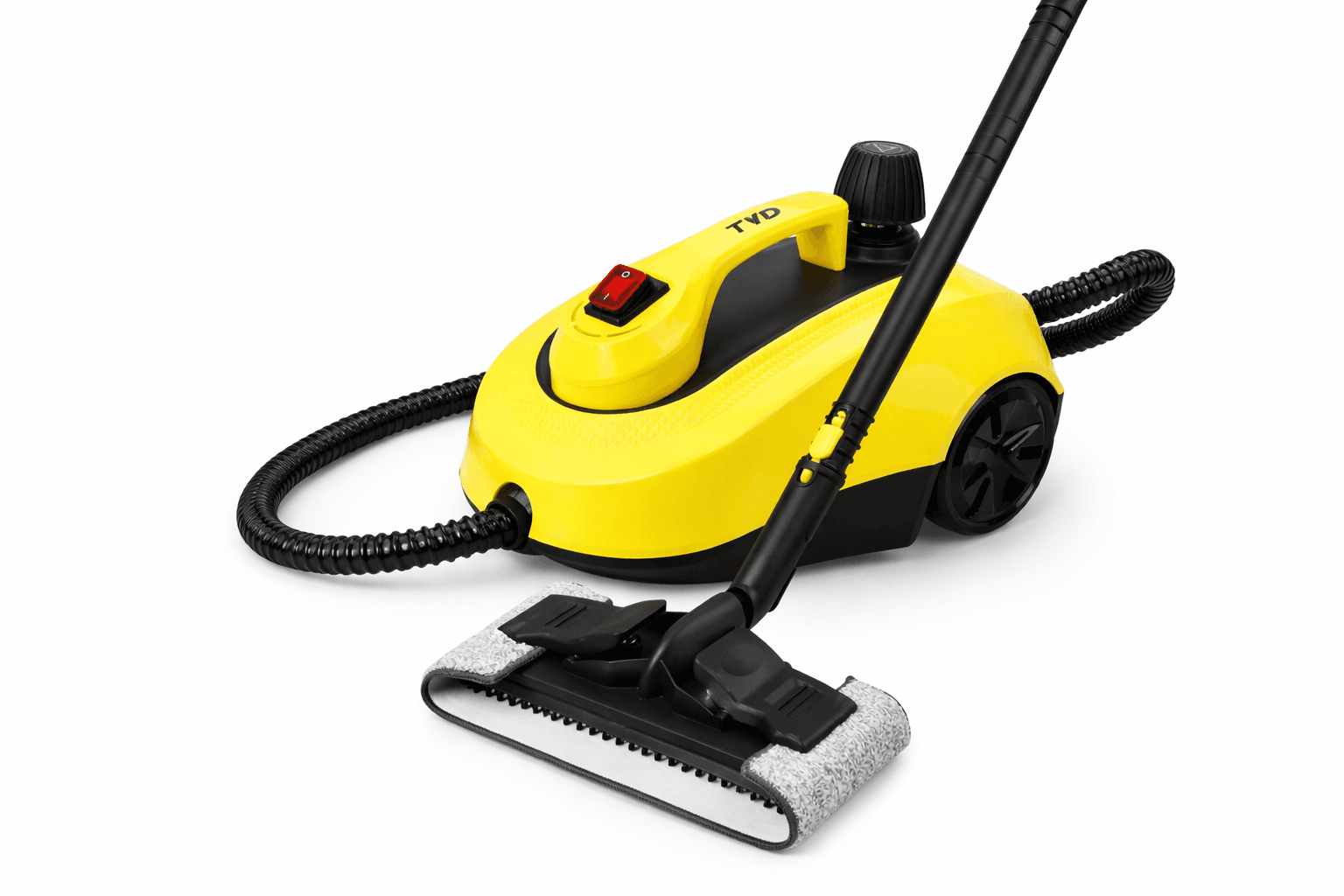 TVD Steam Cleaner |
|---|---|---|---|---|---|---|
| Where to Buy | ||||||
| Score | 8.0 | 7.5 | 7.5 | 7.3 | 6.9 | 6.5 |
| Price | $349.99 | $264.99 | $229.99 | $149.99 | $232.89 | $189.99 |
| Tank Capacity (L) | 1.6 L | 1.6 L | 0.35 L | 0.35 L | 1.42 L | 1.54 L |
| Heat-Up Time (seconds) | 90 seconds | 480 seconds | 30 seconds | 30 seconds | 480 seconds | 480 seconds |
| Claimed Steam Runtime (min) | 50 minutes | 50 minutes | 30 minutes | — | 45 minutes | 50 minutes |
| Product Weight (lb) | 11 lb | 9 lb | 6.13 lb | 6.1 lb | 12 lb | 7.3 lb |
| Attachment Count | 17 count | 17 count | 25 count | 8 count | 18 count | 26 count |
| Manufacturer Warranty | 2-Year Limited | 2-Year Limited | 2 Year Limited | 2 Year Limited | 1 Year Limited | 1 Year Limited |
| Safety Certification Mark | ETL | ETL | ETL | cUL | — | — |
| Form Factor | Canister | Canister | 2 in 1 Mop and Handheld | 2 in 1 Mop and Handheld | Canister | Canister |
| Max Steam Temperature C | 135 Celsius | 135 Celsius | 93 Celsius | — | — | 160 Celsius |
| Safety Features | Child Safety Lock, Auto Shut Off, Low Water Auto Shutoff, Pressure Relief Valve, Overheat Protection, Steam Ready Indicator | Child Safety Lock, Auto Shut Off, Low Water Auto Shutoff, Pressure Relief Valve, Overheat Protection | Auto Shut Off | Auto Shut Off | Low Water Auto Shutoff, Pressure Relief Valve | Child Safety Lock, Pressure Relief Valve |
| Limescale Filter Included |
Product Reviews
Dupray Neat Plus Steam Cleaner
"The most complete steam cleaner here, pairing real canister power with a much faster heat-up and fewer day-to-day annoyances."
The Neat Plus is the strongest all-around option in this group because it keeps Dupray's heavy-duty canister performance while fixing two of the biggest canister pain points: slow startup and limited reach. It is expensive, but it feels far more polished and practical than many deep-cleaning steamers.
Best For
Buyers who want premium whole-home steam cleaning with canister power, fast heat-up, and fewer interruptions.
The Pros
- Powerful canister performance with a large 1.6 L tank and up to 50 minutes of steam
- About 90-second heat-up is dramatically quicker than most canister rivals
- 25-foot cord and onboard storage make the accessory kit easier to live with
- Excellent safety package plus ETL certification
- Broad multi-surface capability for floors, grout, glass, upholstery, and more
The Cons
- Highest price in the comparison
- 11 lb body is still bulky to carry between floors
- No limescale filter, so water choice and upkeep matter
- Overkill if you only want a quick steam mop for sealed floors
Watchouts
- Use distilled or demineralized water from day one to reduce clogging and preserve steam output.
- This is still a canister machine, so it is better for deep-cleaning sessions than fast grab-and-go floor touch-ups.
- The 17-piece kit is useful, but it takes more storage space and setup than a simple upright steam mop.
Dupray Neat Steam Cleaner
"A Canadian canister steamer that delivers serious whole-home cleaning power without jumping to the Neat Plus price."
The Dupray Neat remains one of the strongest heavy-duty steam cleaners for buyers who want real deep-cleaning muscle for grout, bathrooms, upholstery, and kitchen messes. It is still a standout in raw canister capability, but it asks you to live with a long preheat and a more old-school user experience than newer rivals.
Best For
Homeowners who want true canister steam power for tile, grout, bathrooms, upholstery, and heavier messes, and can accept a slower setup.
The Pros
- Large 1.6 L tank and up to 50 minutes of steam are excellent for longer cleaning sessions
- Broad surface support covers sealed floors, grout, glass, upholstery, and more
- Strong 135 C output gives it much more bite on tough messes than lighter steam mops
- 17-piece kit makes it genuinely versatile around the home and in vehicle interiors
- 2-year warranty from an established Canadian company
The Cons
- About an 8-minute heat-up feels slow beside newer competitors
- 16-foot cord is short for a full-size canister
- No onboard accessory storage for the large included kit
- Past recall history and mixed long-term reliability feedback temper confidence
Watchouts
- Confirm the unit has the remediated boiler cap and register it with Dupray before first use.
- This model makes the most sense for planned deep-cleaning sessions, not quick daily floor touch-ups.
- If you are cleaning larger rooms, expect to switch outlets more often than you would with 25-foot-cord rivals.
Bissell Power Steamer Heavy Duty Steam Mop and Handheld
"The most versatile all-rounder in the group, with a huge accessory kit that bridges everyday floors, bathrooms, garage cleanup, and car interiors."
This Bissell is the crossover option for households that want one steam cleaner to do more than just floors. It combines steam-mop convenience with a serious attachment kit and fast heat-up, though its small tank means you trade endurance for flexibility.
Best For
Households that want one steam cleaner for hard floors, bathrooms, auto interiors, patio furniture, and other detail-heavy jobs.
The Pros
- Huge 25-piece accessory kit gives it real indoor-outdoor versatility
- Fast 30-second heat-up is easy to live with
- 25-foot cord is excellent for larger spaces, garages, and patios
- 2-in-1 design handles both floor cleaning and detail work
- Includes a limescale filter, which is uncommon in this set
The Cons
- 0.35 L tank is small for bigger jobs
- Steam consistency can vary with the smallest detail tools
- Upright mop mode feels less substantial than a dedicated heavy-duty floor steamer
- Price is on the high side for a small-tank hybrid
Watchouts
- Expect refills during longer kitchen, garage, patio, or whole-home cleaning sessions.
- Keep the smaller nozzles clean, since detail tips are the most likely to clog or feel uneven.
- If your main priority is large floor areas, a dedicated mop or a full canister may feel more satisfying.
Bissell PowerFresh Slim Steam Mop and Cleaner
"The easiest everyday steam cleaner here for small homes, thanks to its fast heat-up, long cord, and genuinely useful lift-off handheld mode."
The PowerFresh Slim is built around convenience rather than brute force. It is light, quick to start, and much easier to live with than a full canister, which makes it appealing for apartments, condos, and smaller homes that mainly need routine hard-floor cleaning plus occasional bathroom or counter touch-ups.
Best For
Apartment dwellers and small-home owners who want a lightweight steam mop with a handy lift-off mode for everyday cleaning.
The Pros
- Very quick 30-second heat-up
- Long 25-foot cord reduces outlet changes
- Light 6.1 lb build is easy to maneuver and carry
- Lift-off handheld mode adds real flexibility for spot jobs
- Good 2-year warranty for the price
The Cons
- Small tank means more frequent refills
- Included tool kit is modest beside more versatile multi-purpose models
- Best for maintenance cleaning, not heavy grout or baked-on messes
- Some ownership feedback points to leaking or weaker steam over time
Watchouts
- Pre-sweep or vacuum first, because steam alone can smear loose debris and leave streaks.
- Use extra caution on engineered hardwood and laminate, even if the surface appears sealed.
- Handheld mode is useful, but the compact tank still limits how long you can clean above the floor.
McCulloch MC1275 Heavy-Duty Steam Cleaner
"A legacy canister favourite that still makes sense for DIY detailers who want long runtime and lots of tools without paying premium-brand pricing."
The MC1275 is a long-running canister steamer with clear appeal for car interiors, grout, and other detail-heavy jobs. It still offers solid runtime and a useful accessory bundle for the money, but compared with newer competitors it feels heavier, slower, and less polished in day-to-day use.
Best For
DIY auto detailers and homeowners who want a lower-cost canister steamer and do not mind extra bulk or a slower start.
The Pros
- Large 1.42 L tank and 45-minute runtime support longer sessions
- 18-piece kit is strong for detailing, grout, glass, and upholstery work
- Onboard storage helps keep the accessory set organized
- Sub-$250 price is appealing for a full canister steamer
The Cons
- Roughly 8-minute heat-up is slow
- 12 lb body is the heaviest in the group
- Short 1-year warranty trails premium competitors
- Tank seal leaks and pressure loss are recurring long-term complaints
Watchouts
- Use distilled water and empty the tank after each session to help protect the seals and boiler.
- The under-16-foot cord is restrictive if you plan to clean several rooms from one outlet.
- This model is better suited to planned deep-cleaning or detailing sessions than quick weekly floor touch-ups.
TVD Steam Cleaner
"A spec-heavy value canister that looks impressive on paper, but makes more sense for buyers comfortable taking on extra brand and support risk."
The TVD stands out for its big tank, long claimed runtime, light-for-a-canister weight, and huge accessory count. The catch is that its trust signals are weaker than the established brands here, so it is harder to recommend with the same confidence despite the appealing numbers.
Best For
Value-focused buyers willing to take on more risk in exchange for canister-style specs and a very large accessory bundle.
The Pros
- Large 1.54 L tank and 50-minute claim are strong for the price
- 26 attachments is the biggest kit in the group
- 7.3 lb weight is light for a canister-style model
- Broad surface list includes rugs, upholstery, glass, and grout
The Cons
- Brand support and long-term reliability are less proven
- 1-year warranty is short
- Some accessory tips show inconsistent steam performance and early wear
- No visible North American safety mark was shown in the listing
Watchouts
- Confirm the safety certification and warranty details in writing before buying.
- This model makes the most sense if lower upfront cost matters more than long-term brand confidence.
- Inspect the accessory heads regularly, since early brush wear has been a recurring complaint.
How to Choose the Right Steam Cleaner for Your Home
Pick the right form factor first
Start by deciding how you actually clean. Steam mops are best for quick sealed-floor maintenance, 2-in-1 models add some handheld flexibility, and canister steam cleaners are the better fit for grout, showers, ovens, upholstery, and longer deep-cleaning sessions. Many buyers focus on accessories first, but the overall shape and size of the machine usually matter more to day-to-day satisfaction.
Don't buy on sanitizing claims alone
Many steam cleaners claim to kill 99.9 percent of bacteria or viruses, but real sanitizing depends on enough heat and enough contact time on the surface. For routine floor passes, think of steam primarily as a chemical-free cleaning tool first and a limited sanitizing aid second. If disinfection is your main goal, be cautious about treating marketing language as a guarantee.
Match the cleaner to your floors and surfaces
Steam is generally best reserved for sealed hard surfaces that the manufacturer approves. Be especially cautious with unsealed hardwood, many laminates, luxury vinyl plank or tile, and porous stone, because heat and moisture can warp finishes, weaken adhesives, or void flooring warranties. When in doubt, check your flooring guidance and test a small hidden area first.
Runtime, heat-up time, and cord length change daily convenience
A long runtime sounds great, but it usually comes with a bigger, heavier machine and a slower preheat. A 30-second steam mop is much easier to grab for quick messes, while a 45- to 50-minute canister makes more sense for big bathrooms, grout lines, and whole-home sessions. Cord length matters too: a short cord gets annoying fast, especially in larger rooms.
Look for safety, maintenance, and warranty
Because steam cleaners combine heat, water, and electricity, safety details matter. Look for recognized certification marks such as ETL or cUL, and useful protections like pressure relief, low-water shutoff, overheat protection, and clear warnings about unsafe surfaces. Distilled or demineralized water can also help many models last longer, especially those without a limescale filter.
Frequently Asked Questions
Only some are, and only on properly sealed hardwood that the manufacturer approves. Steam can damage unsealed wood and may also be risky on some engineered floors, so always check your flooring guidance first.
Sometimes, but buyers should be careful with big sanitizing claims. Real germ reduction depends on enough heat and enough dwell time on the surface, which is harder to achieve during quick everyday cleaning.
A steam mop is usually lighter, faster to heat, and better for routine floor upkeep. A canister steam cleaner is heavier and slower to start, but it usually offers longer runtime, stronger detail-cleaning ability, and better performance on grout, glass, upholstery, and stubborn buildup.
For many models, especially those without a limescale filter, distilled or demineralized water is a good idea. It can help reduce mineral buildup, keep nozzles cleaner, and support longer-term steam consistency.
If you mainly want quick kitchen or bathroom floor touch-ups, a smaller steam mop can be enough. If you plan to clean grout, shower doors, upholstery, or several rooms in one session, a larger canister with 40 minutes or more of runtime is much more practical.
Not always. For many homes, a good mop is still simpler, cheaper, and safer on sensitive flooring. Steam cleaners make the most sense when you want chemical-free cleaning, faster drying, or a tool that can also handle grout, fabrics, or bathroom buildup.
Avoid unsealed hardwood, many laminates, some vinyl plank or tile, waxed floors, and porous or delicate stone unless the manufacturer specifically approves steam use. Heat and moisture can warp finishes, loosen adhesives, or leave stains on the wrong material.