How the Five Components Stack to the Full Cap, Who Qualifies, and Why Storm Season Tightens the Practical Window

Credit: Shutterstock
On April 28, 2026, the City of Toronto announced that its Basement Flooding Protection Subsidy Program would expand on Friday, May 1, 2026 — almost doubling the financial support available to homeowners installing equipment to keep storm and sewer water out of their basements. The per-property maximum rises from $3,400 to $6,650, individual component caps for backwater valves and sump pumps increase by 28% to track market costs, and several new categories of work — a home plumbing assessment, a second backwater valve for homes with multiple sewer connections, and a battery backup for sump pumps — become eligible for the first time.
The expansion is the largest in the program's nearly two decades of operation. Since 2007, Toronto has processed roughly 59,000 applications and disbursed about $86 million in subsidies, with about 14% of eligible property owners participating. Mayor Olivia Chow framed the May 1 changes as "the largest basement flooding subsidy program the City has ever offered." The municipal pitch is aimed squarely at the recent loss record: in 2024, two summer rainfall events that Environment Canada classified as once-in-a-century each dropped more than 100 mm of rain on Toronto in a single day, contributing to basement flooding in more than 1,000 city homes.
For Toronto homeowners with basements — finished or not — this is the rare municipal program where the value of acting now is concrete and quantifiable. The full $6,650 cap is built from a defined set of components that, taken together, describe what a comprehensive basement flood defence looks like in 2026. The catch is timing: the subsidy itself runs for two years after eligible work is completed, but the practical bottleneck is contractor availability through storm season, and funding is annual and awarded first-come, first-served.

The headline number is the cap. The City's news release on the May 1 expansion confirms that the per-property maximum rises from $3,400 to $6,650, with subsidy amounts for backwater valves and sump pumps increased by 28% to reflect inflation and current installation costs. Three additions broaden program scope further: a new Home Plumbing Assessment subsidy intended to identify internal plumbing issues that contribute to flooding, eligibility for a second backwater valve where a home has multiple sewer connections, and a new $300 subsidy for sump pump battery backup systems — including retrofits where a sump pump is already installed.
The application window has also been extended. Homeowners now have two years from the date of completed work to apply, up from one year previously, and the retroactive eligibility date is November 12, 2025 — meaning Toronto homeowners who completed qualifying work over the past several months can still apply under the new, higher caps. Applications and program details are at toronto.ca/BFPsubsidy, the City's dedicated hub for the program.
The program is positioned as a direct response to recent flood experience rather than a routine policy refresh. Severe rainfall events in 2024 led to basement flooding in more than 1,000 Toronto homes, and the new caps are calibrated to what a comprehensive defence actually costs in 2026 dollars — not to the equipment prices in place when the original $3,400 cap was set.
The structure of the new $6,650 maximum matters more than the number itself. Toronto pays 80% of invoiced costs up to a defined cap on each of five separate categories of work, and the cap on the program is exactly the sum of the individual component caps when a homeowner pursues the full stack. The arithmetic, drawn from the City's program eligibility page for the Basement Flooding Protection Subsidy Program, works as follows:
Two implications follow. First, the full $6,650 is reachable only if a homeowner pursues a multi-component plan: assessment, dual backwater valves, sump pump with battery backup, and weeping-tile severance. A single backwater valve installed on its own caps out at $1,600. A sump pump alone caps out at $2,250 plus $300 for battery backup. The cap is calibrated to a comprehensive package, not to the cost of any single device.
Second, the new Home Plumbing Assessment is functionally the on-ramp for the rest of the program. A licensed plumber's diagnostic walks the homeowner through what is actually causing or could cause flooding at a particular property — backflow from a municipal sewer surcharge, foundation seepage, weeping-tile issues, or a combination — and helps determine which components belong in the install plan. Homeowners who skip the assessment risk specifying the wrong device for their problem. Homeowners who pay for the assessment recoup up to $500 of its cost and get a sequencing logic for the work that follows.
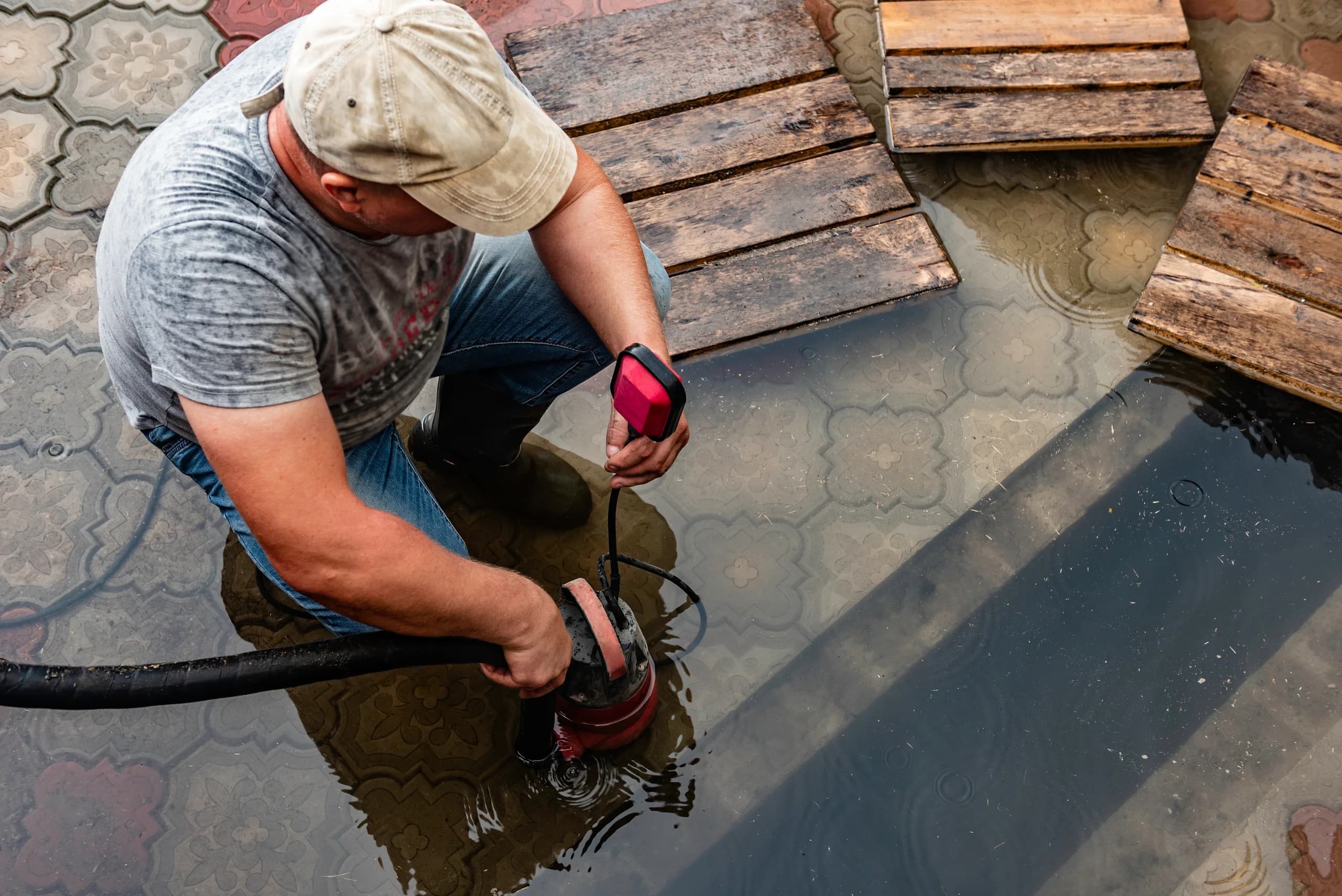
The battery backup line item is small in dollar terms but operationally important. Sump pumps fail during the exact conditions they are meant to protect against — multi-hour summer rainstorms that often coincide with grid outages. A $375 battery backup that recoups $300 from the City closes a known reliability gap that a sump pump alone does not address.
The 80% subsidy rate applies to invoiced costs, not list prices. Homeowners pay the contractor in full, then submit invoices to the City for reimbursement up to the per-component cap. The 20% out-of-pocket portion plus any costs above each cap remain the homeowner's responsibility.
The Basement Flooding Protection Subsidy Program is open to registered owners of single-family, duplex, triplex, and fourplex residential properties within the City of Toronto. The applicant must be on title. There is no income test, but several operational conditions apply, and they are the most common source of disqualification.
Downspouts must be disconnected from the City sewer system, or the property must hold a formal exemption — a longstanding City requirement that pre-dates the subsidy expansion but continues to gate eligibility. Front-yard paving must comply with current zoning rules. The contractor and any subcontractor performing the work must hold valid City of Toronto business licences. And applications must be submitted with original electronic invoices within the application window, which is now two years from the date of completed work for projects starting on or after November 12, 2025 (one year for earlier work that falls under the prior program rules).
The retroactive November 12, 2025 date is worth flagging for homeowners who already moved on flood protection over the past winter. Those projects are now eligible for the new, higher caps if the work, contractor, and documentation requirements were met. The same is true for homeowners who installed equipment before November 12 but are still within the prior program's one-year submission window — those applications continue under the older $3,400 cap and one-year timeline.
A final point on funding mechanics. Subsidies are awarded on a first-come, first-served basis subject to annual Council-approved funding. The two-year submission window creates the impression of generous timing, but the practical risk is that annual program funding can be exhausted before a particular fiscal year ends, particularly in a year when an expanded cap and broadened eligibility drive higher per-applicant costs and higher application volume. Submitting closer to the front of the year — and certainly before contractor capacity tightens — protects against that.
The two-year application window does not mean Toronto homeowners have two years to act. The binding constraint in summer is contractor availability. Backwater valves require excavation through a basement floor and a tie-in to the building's main sewer connection. Sump pump installations require pit construction or replacement and the appropriate discharge plumbing. Both depend on licensed contractors whose schedules compress sharply once the first major rainstorm of the summer creates a wave of emergency calls.
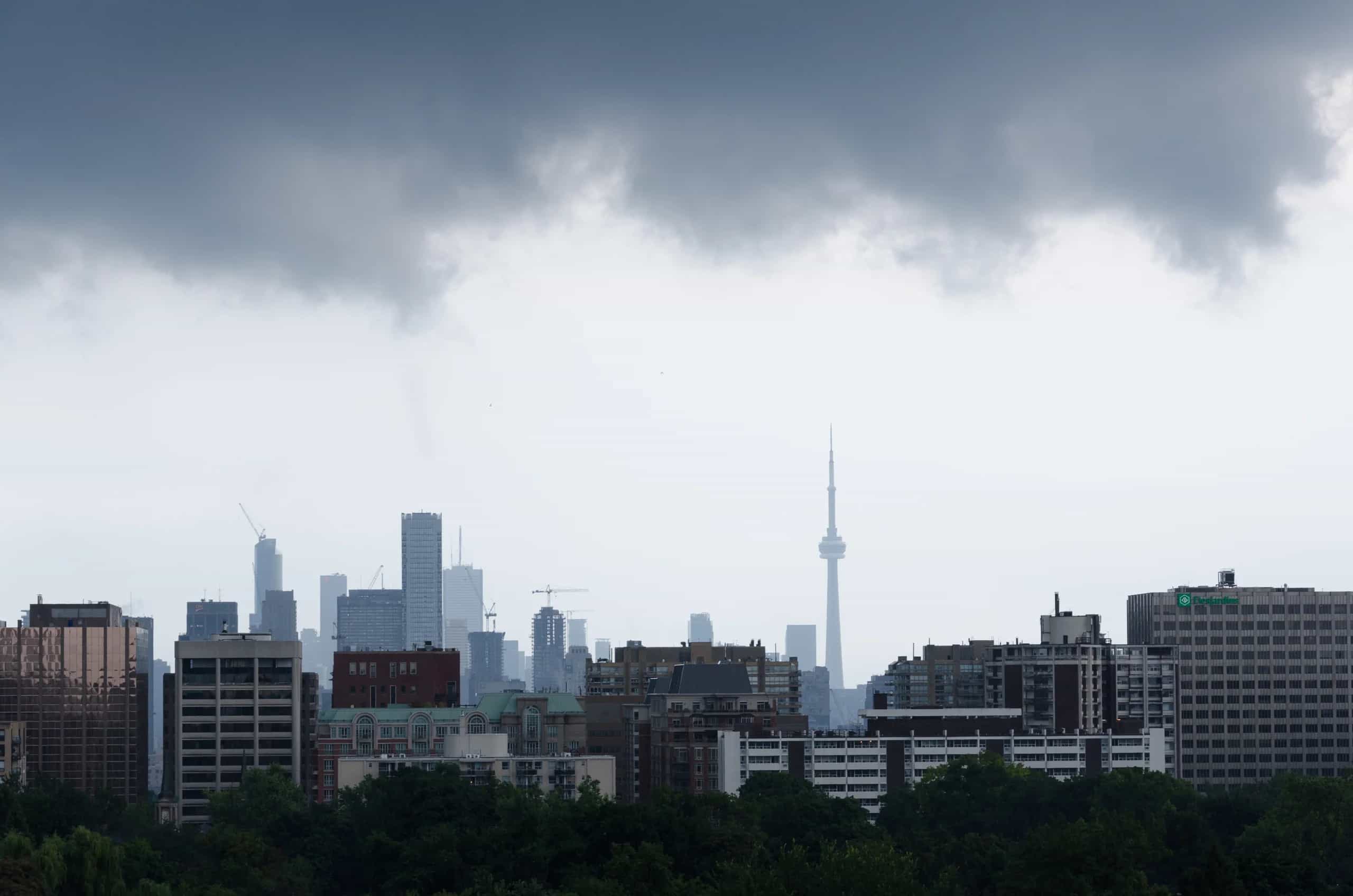
The 2024 numbers from Environment Canada provide the relevant context. Toronto Pearson recorded 1,145 millimetres of precipitation in 2024 — its wettest year on record, nearly 100 mm above the previous record and more than 300 mm above the 30-year norm. Two summer storms in July and August each delivered more than 100 mm of rain in a single day, contributing to over $1 billion in insured flood damages across Ontario. Whether 2026 brings comparable weather is unknowable, but the operational lesson is clear: contractor backlogs in Toronto's flood-protection trades are reactive, and they tighten fastest in the weeks immediately after a major storm.
Homeowner.ca's spring flood prep checklist covers the seasonal mitigation steps homeowners can take regardless of subsidy status — clearing eaves, checking downspouts, testing sump pumps, verifying backwater valves — and represents the work that should accompany the higher-stake equipment install supported by the City program. The two layers compound: physical equipment subsidized by the City handles the structural defence, and seasonal maintenance handles the failure modes that even good equipment can be vulnerable to.
Book a Home Plumbing Assessment first, before scheduling install work. The assessment specifies what your property actually needs — single or dual backwater valves, sump pump sizing, weeping-tile decisions — and gives both the homeowner and the contractor a defensible plan to bring to the application. It also recoups up to $500 of its own cost.
About the Author
Ryan is the founder of Homeowner.ca and a proud Canadian homeowner based in Guelph, Ontario. Over his 25-year career in digital publishing, he has focused on transforming complex information into clear, practical guidance that helps people make confident, well-informed decisions.