What the March 2026 Shift Means for Homeowners, Where It Shows Up, and Why Total Energy Costs May Still Feel High

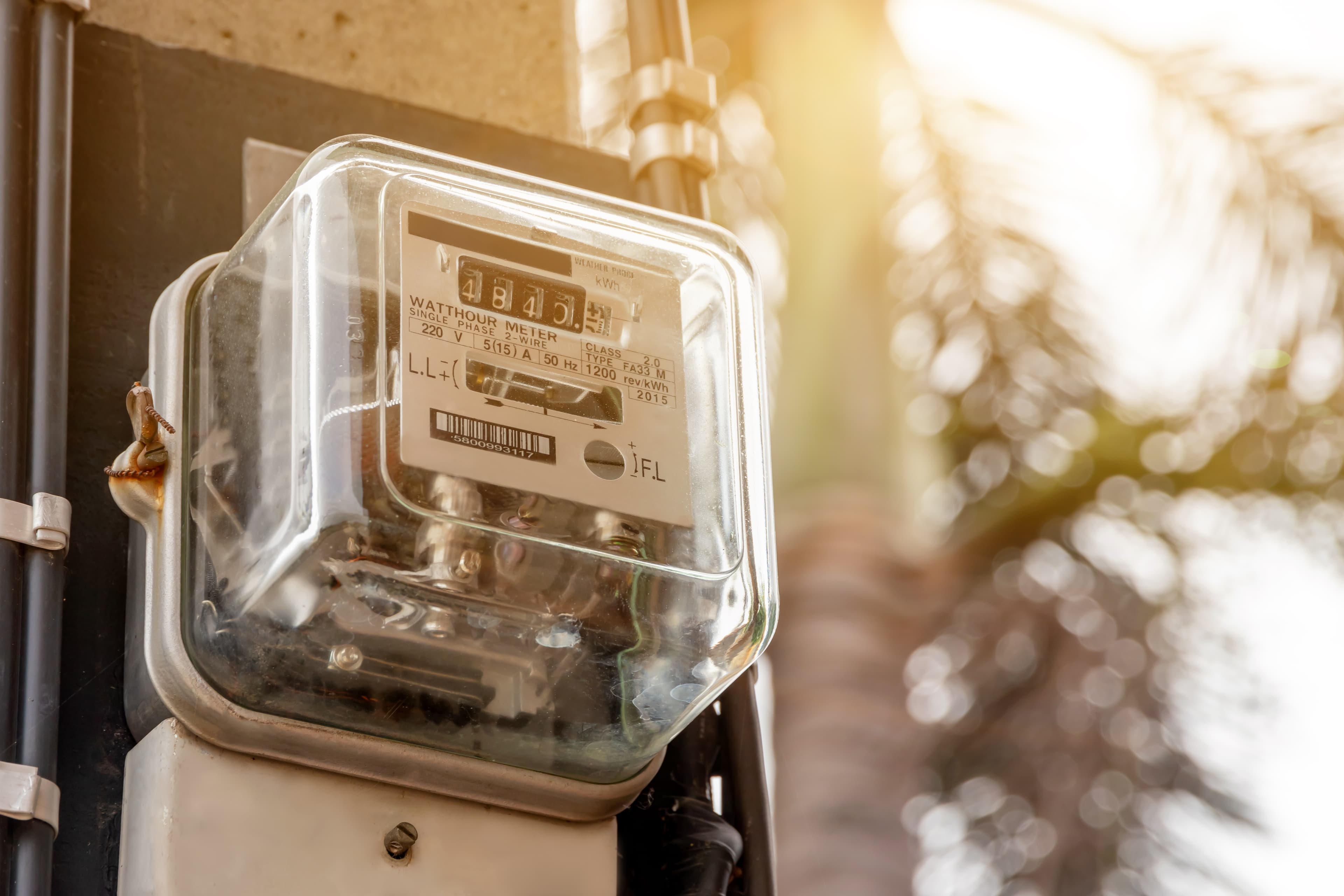
A detailed view of an electricity meter outdoors, emphasizing the need for monitoring energy usage against rising utility costs. (Credit: Shutterstock)
Ontario households are getting something they almost never see on an electricity bill: a credit-like break tied to the Global Adjustment. According to the Independent Electricity System Operator’s current and historical Global Adjustment data, the March 2026 rate used for most homes is -4.06¢/kWh, following a negative February reading. In practical terms, that means Ontario is in a back-to-back negative stretch for the first time since 2007, turning a charge that is usually positive into a temporary offset on the electricity portion of many household bills.
That is good news, but it is also confusing news. Most people do not spend much time thinking about the Global Adjustment until it suddenly changes what they owe. And even then, the benefit is not always obvious because it does not appear the same way on every bill. The bigger picture matters too: while electricity is briefly getting cheaper, many gas-heated homes are still dealing with higher natural gas costs in 2026. For homeowners, the useful question is not just “What changed?” but “Where will I see it, and how much does it really matter?”
Using the Ontario Energy Board’s 750 kWh benchmark for a typical residential customer, the headline value of a 4.06¢/kWh credit works out to about $30.45 for the month before delivery charges, regulatory charges, taxes, rebates, and billing-cycle timing are factored in.
That is real money, especially after a winter of high household costs. But it is not the same as a full-bill discount. The Global Adjustment affects the electricity commodity side of the bill. It does not erase delivery charges, regulatory charges, taxes, or every other amount that shows up on the statement. In other words, homeowners should expect relief, not a dramatic collapse in the total owing.
As the Ontario Energy Board explains on its electricity-rates page, most electricity generators in Ontario receive guaranteed pricing arrangements, and the Global Adjustment covers the difference between those costs and what generators earn in the wholesale market, along with some conservation-program costs. For most households that buy electricity from their utility on Time-of-Use, Ultra-Low Overnight, or Tiered pricing, that Global Adjustment estimate is already built into the electricity price. For customers on retailer contracts, it is charged on top and can appear separately.
That is the key point many homeowners miss. The Global Adjustment is not some extra mystery fee floating beside the rest of the bill. It is part of how Ontario recovers the cost of keeping the electricity system supplied and stable over time. When that balancing amount turns negative, it works in the customer’s favour for once.
The size of the shift also matters. Current OEB-set residential prices run from 9.8¢/kWh off-peak to 20.3¢/kWh on-peak under Time-of-Use pricing, while Tiered pricing is 12.0¢/kWh for Tier 1 and 14.2¢/kWh for Tier 2. A swing of 4.06¢/kWh is therefore meaningful. It is not a rounding error buried in the bill. It is a large enough change to notice, especially in lower-priced periods and for homes with higher usage.
In the Ontario Energy Board’s electricity-bill guide, the main bill categories are shown as Electricity, Delivery, and Regulatory charges, and the guide notes that utility-supplied electricity prices already include the customer’s share of the Global Adjustment. That means most homeowners on their utility’s standard pricing plan should expect the benefit to lower the Electricity portion of the bill rather than appear as a brand-new discount line.
Here is the practical way to read it:
A negative Global Adjustment does not usually lower Delivery or Regulatory charges. For most households, it reduces the electricity portion of the bill behind the scenes rather than creating a separate line item.
One practical tool worth knowing about is the Ontario Energy Board’s bill calculator. It can help translate a cents-per-kWh change into a more realistic monthly estimate once your own utility, rate plan, and usage pattern are entered.
A negative Global Adjustment does not mean Ontario suddenly stopped paying for generation, transmission, or system reliability. It means the balancing formula moved in the opposite direction for a month. Put simply, the market earned enough revenue relative to the costs the Global Adjustment normally recovers that the charge dropped below zero.
That is consistent with periods when demand is softer, lower-cost supply remains plentiful, and Ontario’s system is not under the kind of pressure that pushes balancing costs higher. Mild winter demand, strong renewable output, and surplus baseload conditions can all push in that direction. When that happens, a charge that is normally a cost on the bill can briefly become a credit.
The important thing for homeowners is that this is a rate event, not a promise about the rest of the year. The Global Adjustment can move sharply from month to month. A rare negative run is useful relief, but it should be read as temporary unless the underlying market conditions continue.

According to Enbridge Gas’s January 2026 rate-change FAQ, residential customers buying gas from Enbridge are seeing annual bill increases of about $67 to $98, or roughly 5.8% to 11.3%, depending on location. The company also says some January bills included one-time credits or charges tied to prior-period adjustments, which adds another layer of bill-reading complexity for households trying to compare month to month.
That matters because homeowners do not budget for electricity in isolation. They budget for the total cost of running the home. A gas-heated household could easily see a welcome dip on the hydro side while still feeling pressure overall once natural gas, fixed charges, and winter consumption are included.
So the broader takeaway is mixed, not purely positive: electricity is temporarily cheaper, but total energy spending may still feel stubbornly high.
The headline here is simple even if the billing mechanics are not: Ontario homeowners are getting a rare break on electricity, and it is worth checking March and April bills closely. Just do not mistake a cheaper electricity month for a universal drop in household energy costs. The credit is real, but it is partial, bill-format dependent, and very likely temporary.