A Popular Household Steamer Sold Across Canada Is Under Recall, And The Fix Starts With A Quick Batch-Code Check

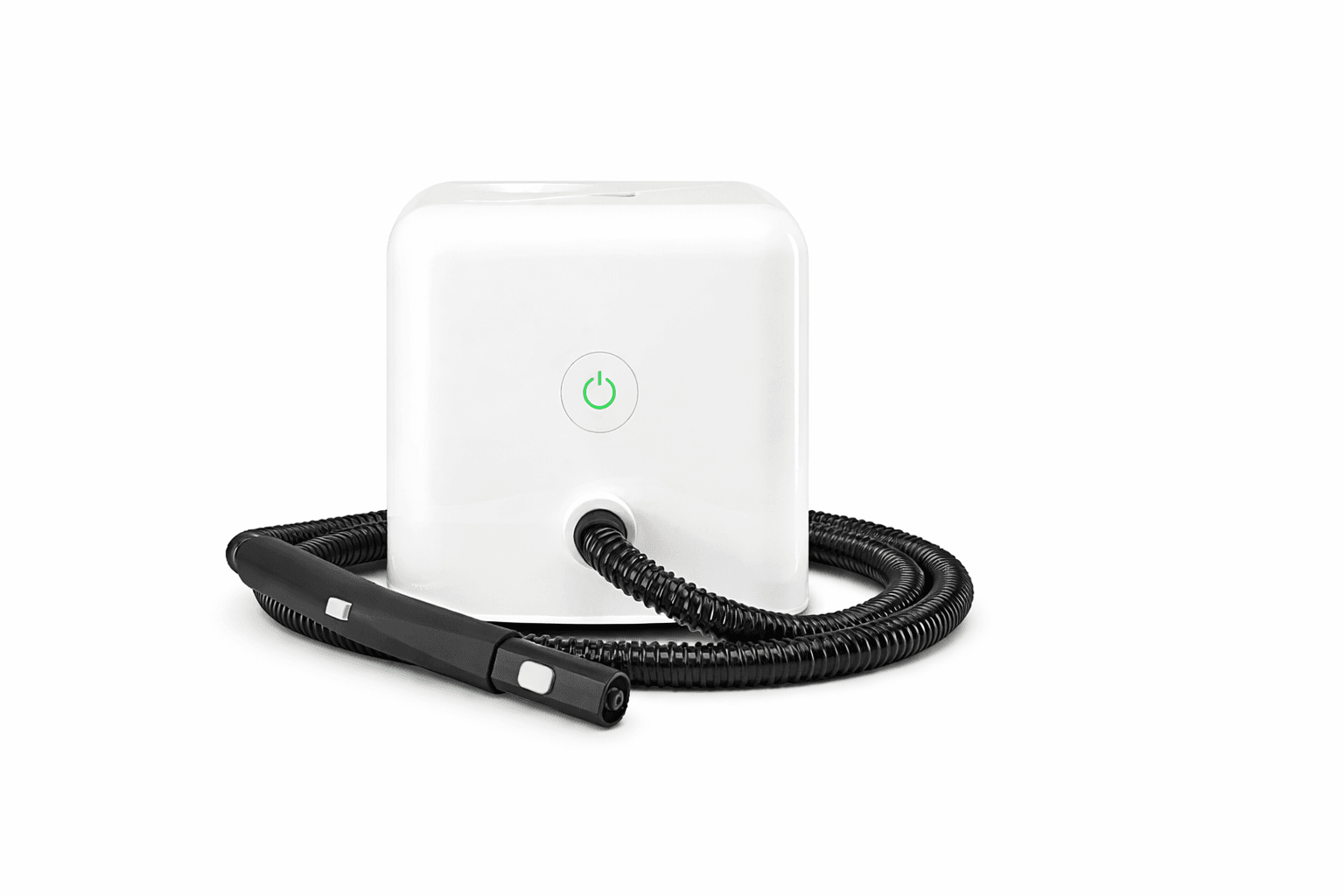
Compact Dupray Neat steam cleaner sits innocently until a ruptured boiler turns routine cleaning into burns. (Credit: Homeowner.ca)
A Feb. 26, 2026 recall notice from Health Canada describes a Canada-wide pullback of the Dupray Neat Steam Cleaner after reports that the boiler can rupture in a specific failure scenario, creating a burn-and-injury hazard for users and bystanders.
This recall matters because the Neat isn’t a niche appliance. It’s the kind of compact, cube-shaped steamer many households keep for bathrooms, grout lines, and “chemical-free” cleaning sessions—and it has been sold through mainstream retailers and marketplaces over multiple years.
The practical challenge for most people isn’t understanding the engineering. It’s answering one urgent, homeowner-level question: Is the steam cleaner under my sink or in my utility closet part of the recalled batch range, or not?
The good news is that the recall is highly identifiable. The affected population is defined by a single model number and a tight batch/date-code range, and the remedy is straightforward: the recall guidance points consumers to a free replacement boiler cap (the pressure-release valve component) that is meant to prevent malfunction when installed.
Health Canada’s recall description ties the hazard to a combination of conditions: the boiler being overfilled, extensive corrosion, and a malfunctioning pressure-release valve. In that scenario, the boiler can rupture, and the risk escalates quickly from “appliance malfunction” to “sudden physical injury,” including burns and impact injuries if someone is struck or falls.
The incident context is equally specific. The recall notice cites reports of boiler ruptures and related injuries, including incidents in Canada as well as the United States, with outcomes that go beyond minor discomfort—injuries listed include burns, lacerations, bruises, and even a broken wrist. While the number of reports is small relative to the size of the market, regulators typically treat pressurized-heat failures as high-consequence events, especially when a widely owned household product is involved.
For Canadian readers, the important takeaway is not to guess based on “it seems fine” or “I only use it occasionally.” The recall isn’t about frequency of use; it’s about whether your unit falls inside the affected manufacturing range and whether you’re still using the original cap/valve assembly.
The model and batch/date code are not hidden in a manual or buried in packaging. On Dupray’s recall page the company explains that both identifiers appear on the rating label on the bottom of the Neat Steam Cleaner, and it also advises basic handling precautions before flipping the unit to read the label.
Here’s what you’re looking for, in plain language:
To reduce the “false alarm” factor, it helps to separate two different questions:
Below is a quick reference table you can use while looking at the label.
If the label is hard to read or partially worn, take a clear phone photo and zoom in rather than trying to “memorize” the code—small print and glare are common problems on bottom labels.
If your unit matches the model and falls inside the affected batch/date-code window, the safest interpretation of the recall guidance is to treat the unit as recalled until the remedy is in hand and installed. The official direction is to stop using the product and contact Dupray for the replacement part.
The recall notice from Health Canada lists Dupray’s customer-service channels for arranging the free replacement boiler cap, including support by phone at 1-800-881-8482 (Monday to Friday, 7:00 a.m. to 6:00 p.m. Eastern Time) and by email at recall@dupray.com, with telephone support available in English and French.
What to have ready before you reach out—so the interaction stays short and practical:
Don’t “test it one more time” to see if yours is affected. The whole point of a batch-defined recall is that eligibility is determined by the label—not by whether the last use happened to be incident-free.
The scale is a key part of why this recall is showing up in consumer news feeds. Health Canada’s notice pegs Canadian sales of the affected product at roughly 97,000 units, sold during a long window from 2018 through late 2025, and that long run increases the odds that an impacted unit is still in active rotation—or sitting in storage waiting for spring cleaning.
Price and positioning also matter for understanding reach. A current listing on Walmart Canada places the product roughly in the mid-hundreds and markets it as a versatile, chemical-free option for common residential surfaces like kitchens, bathrooms, tile, and grout, which aligns with how many homeowners actually use steam cleaners day-to-day.
Distribution through large marketplaces can extend product life even further, because units are purchased at different times and shipped across provinces. The same model appears as a consumer-facing product listing on Amazon Canada which is one reason a recall like this can reach households that don’t remember exactly which retailer they used—or whether the unit was bought new, gifted, or moved with them between homes.
In other words, this isn’t only a “recent buyer” issue. The sales window and the nature of household storage mean recalled units can remain in circulation for years unless owners have an easy way to confirm eligibility and a simple remedy path.

One overlooked aspect of consumer recalls is what happens next when someone decides they no longer want the product. In Canada, the standard expectation is that recalled products should not be redistributed—even casually.
A plain-language overview from Health Canada on the Canada Consumer Product Safety Act explains the framework that prevents recalled consumer products from being sold, redistributed, or given away in Canada, which matters if you were thinking about offloading the steamer through a neighbour, a buy-and-sell group, or a donation bin.
Practically, if you own an affected unit, the cleanest path is to follow the recall remedy process rather than trying to transfer the problem to someone else. It’s faster, safer, and avoids putting another household in the same risk position.
Recalls often start with incident reporting, and they improve when consumers share clear information. Health Canada maintains a reporting hub where consumers can learn how to submit information about safety issues with household products, and the guidance on Health Canada’s incident reporting page outlines what the program is for and how reports feed into product-safety oversight.
If you experienced an injury, a rupture, a near miss, or property damage tied to use of the steam cleaner, the consumer-oriented pathway is the online submission described by Health Canada’s Consumer Product Incident Report which is designed for individuals reporting issues with consumer products in the home.
When reports are clear, they help answer questions regulators and manufacturers need to act on: what happened, under what conditions, which product identifiers were involved, and what the outcome was. That’s not about creating alarm—it’s about making sure the record reflects real-world use, especially for products that can sit in homes for long periods.