What Canadian Homeowners Should Check, What the Risk Is, and How the Fix Works

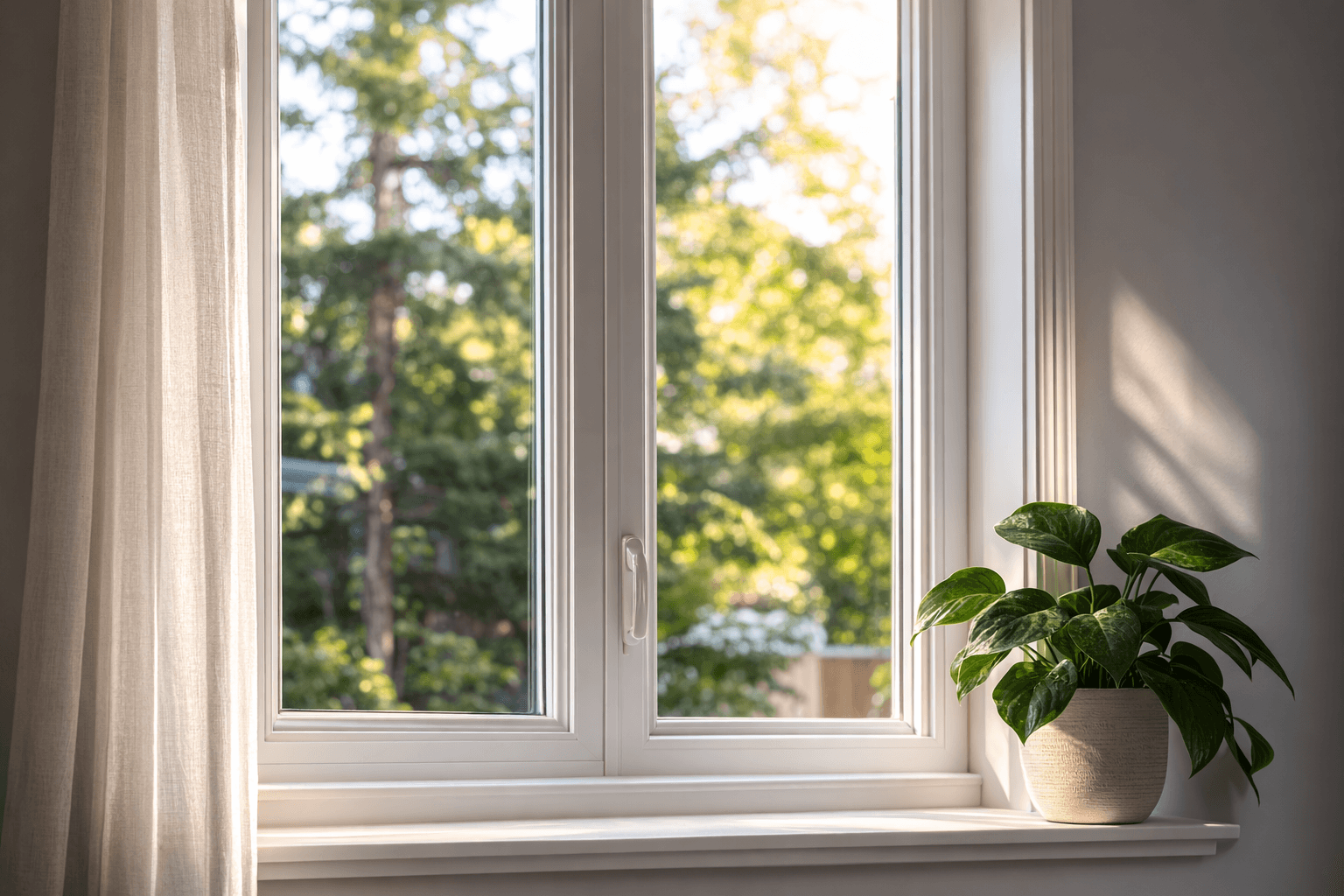
Sunlit casement window looks serene until a detaching safety device turns an opening into a fall hazard. (Credit: Homeowner.ca)
A new safety recall matters most when it intersects with everyday routines—opening a bedroom window for fresh air, cracking a child’s room window at night, or airing out a recently renovated space. This one is in that category: it’s about a safety device on a specific line of casement windows that may not do its job when it’s needed most.
Health Canada says in its recall notice for window opening control devices (WOCDs) applied to Andersen 100 Series casement windows that the recall was published February 26, 2026 (recall ID RA-81642) and applies to WOCDs sold from October 2015 through December 2025, including devices sold as kits and devices applied at the factory. The same notice reports 181 units sold in Canada (and roughly 91,200 in the United States), and it frames the concern clearly: the device can stop functioning after force is applied to the window sash, which can allow the window to open without the intended control and create a fall hazard. It also notes that, as of February 23, 2026, no incidents or injuries were reported in Canada, while the company reported device-failure reports in the United States without reported injuries.
This is also a joint, cross-border action, which is helpful context for Canadian homeowners: it’s the kind of recall that can affect homes in Canada even when products were purchased through different channels over the last decade (new construction, renovations, or parts ordered separately).
The practical takeaway is straightforward: if you might have these windows—especially on upper storeys—treat this as a “check and confirm” task, then follow the official remedy path rather than improvising a fix.

The recall is centred on a specific component: a window opening control device, sometimes installed as part of a window package and sometimes added later as a kit. Functionally, it’s meant to limit how far the sash can open unless the user intentionally bypasses the limiter—an important safeguard in spaces where an open window could create a fall risk.
The key risk is not that the window “randomly opens,” but that the limiter may fail after an impact event, which can change a window from “opening only partway” to “opening fully” in a way a homeowner may not expect. The United States Consumer Product Safety Commission explains in its recall announcement for Andersen WOCD kits and 100 Series casement windows that the devices can break or detach after accidental or other impact, allowing the window to be opened and posing fall and serious injury hazards.
In real home terms, “impact” doesn’t have to mean something dramatic. It can be as simple as a sash being pushed, bumped, or otherwise stressed in normal life. That’s why this recall is worth acting on even if your windows appear to be working today: the hazard is tied to a failure mode that may show up only after a specific kind of force is applied.
If you have reason to believe your home may have Andersen 100 Series casement windows from the affected time period—particularly in bedrooms or upper-storey rooms—plan to verify and address it promptly, because the underlying concern is a fall hazard rather than an aesthetic or performance issue.
For homeowners, the safest “check” is the one that follows the official identification pathway: confirm whether you have the affected product, then let the manufacturer route you to the correct remedy.
Health Canada’s consumer recall guidance for Andersen 100 Series casement WOCDs tells consumers to close and lock windows using the recalled WOCD and to contact Andersen Windows to determine if a specific window is included in the recall using the Product ID number located on the label in the upper-right corner of the window frame. The same guidance provides the official contact routes (telephone 844-815-7332, available 7:30 a.m. to 4:30 p.m. CT, and email at 100Seriescasementwocdrecall@andersencorp.com), notes that onsite repairs are completed by a local Andersen dealer and authorized service provider, and adds that uninstalled WOCDs should be returned to the point of purchase.
To make this easier to triage, here’s a homeowner-friendly way to think about “do I need to act right now?” without guessing about technical details:
A few boundaries are worth keeping clear as you check:
Most homeowners mainly want two things after they identify a recall: (1) a clear fix, and (2) a clear sense of how disruptive it will be. This recall’s remedy is designed to be straightforward.
Andersen states on its 100 Series casement WOCD recall page that consumers should keep windows with recalled opening control devices closed and locked and contact Andersen to schedule a free in-home repair by an authorized technician. The same page explains that the repair reinforces the WOCD attachment (including adding an additional screw), typically takes less than 15 minutes per window, and does not require removing the window from the home.
What that means in practice for Canadian homeowners:
If you’re a landlord, property manager, or condo owner with multiple units, it can also be helpful to treat this as an inventory exercise: identify where Andersen 100 Series casement windows are installed, capture Product IDs, and then coordinate service scheduling so occupants aren’t left with unclear instructions.
This recall is a good example of what “safety update” should look like for homeowners: specific product scope, a clear hazard description, and a defined remedy path. The risk isn’t abstract—it’s about a limiter that may fail and allow a window to open fully, which is why it’s especially relevant for upper-storey rooms and homes with children.
If your home’s windows fall into the October 2015 to December 2025 window (or you’re not sure), the highest-value next step is simple: locate the Product ID label, close and lock the window in the meantime, and confirm status through Andersen’s official recall process. That keeps you aligned with the recall guidance, avoids guesswork, and gets you to the free in-home repair as efficiently as possible.