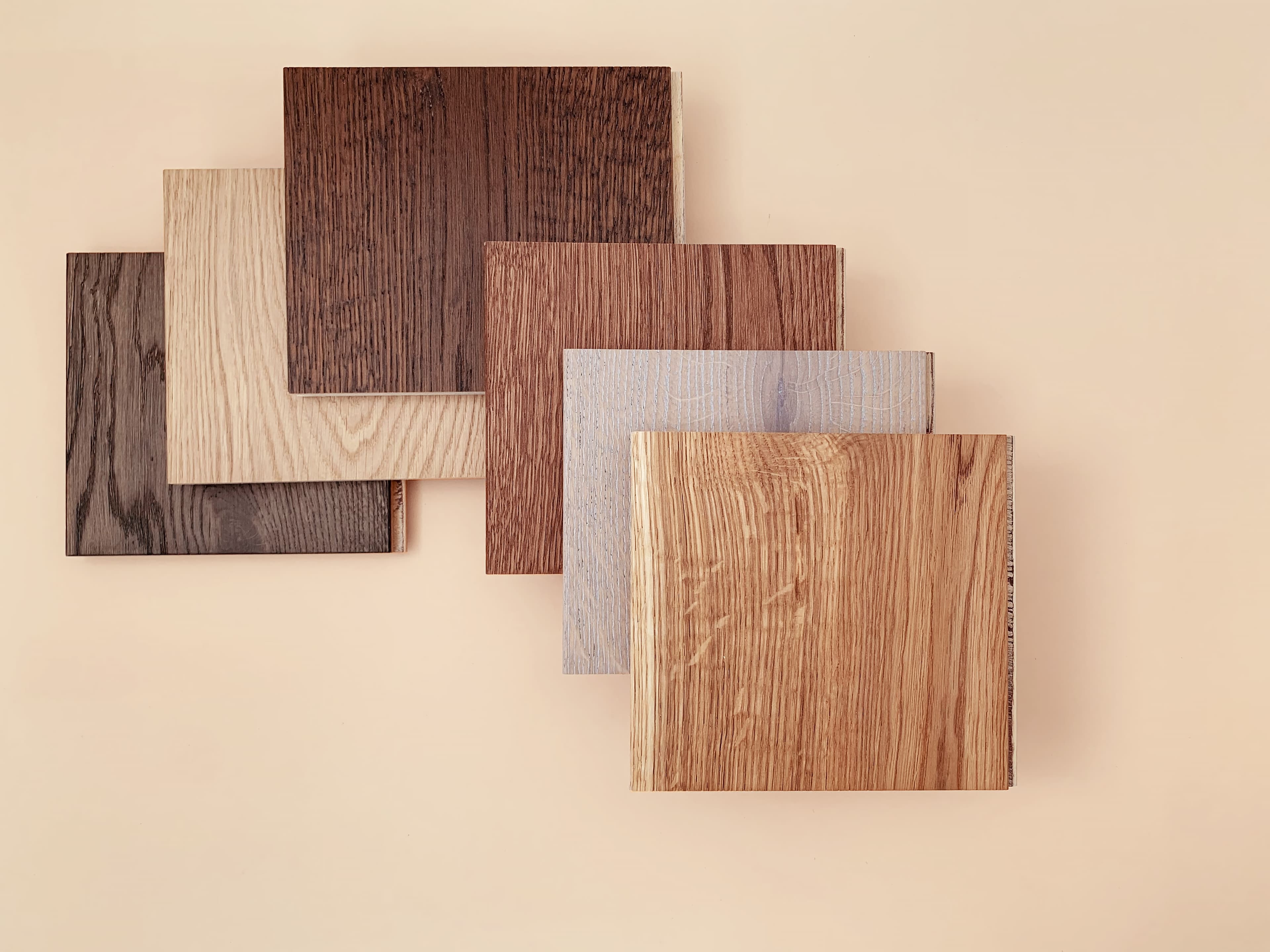
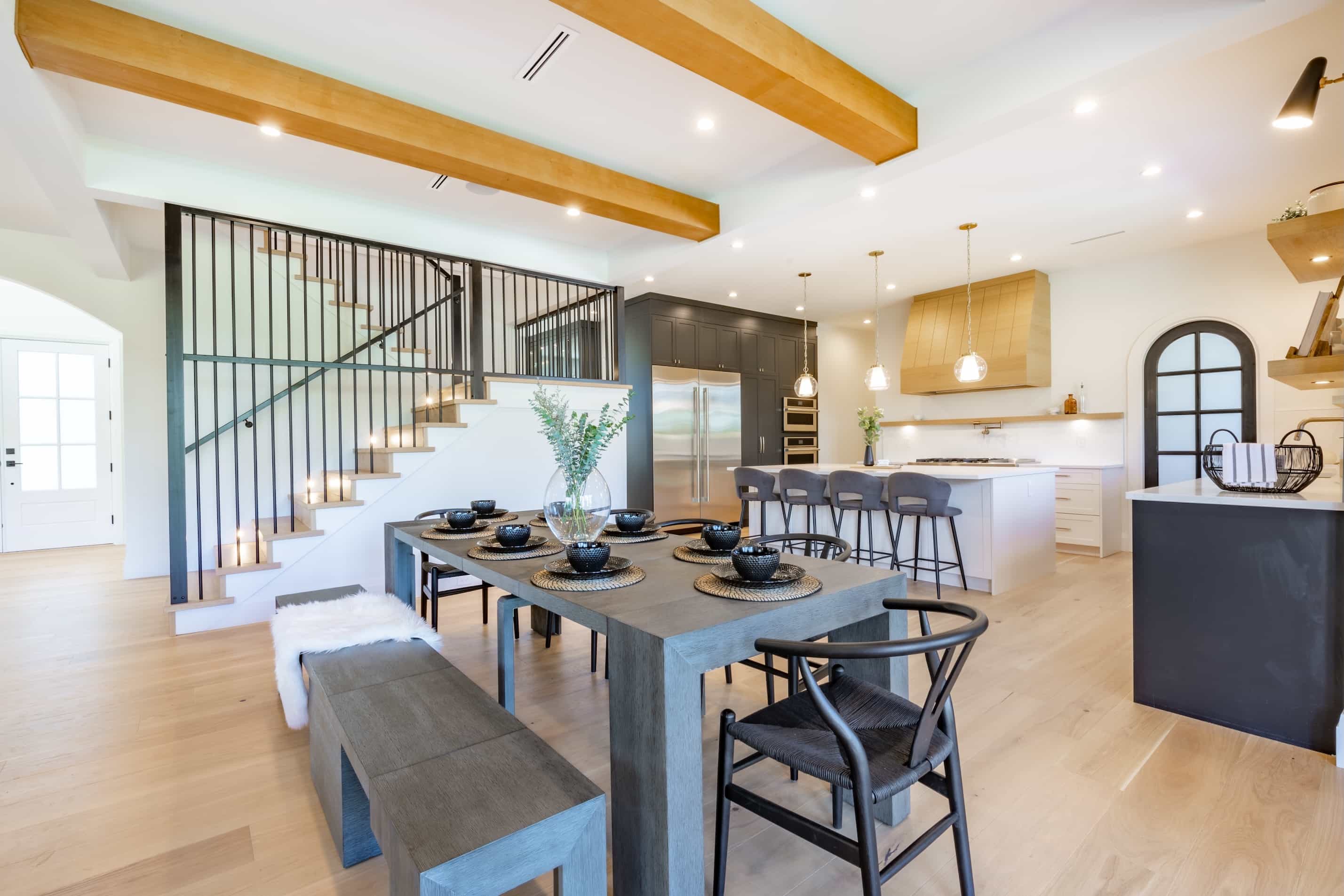
When homeowners ask which hardwood “holds up” best, they are usually bundling together several different concerns. They want fewer dents from toys, chairs, and dropped items. They want fewer visible scratches from claws and grit. They want the floor to keep looking good through muddy entries, busy hallways, and the dry-wet rhythm of Canadian seasons. Those are related issues, but they are not the same issue.
That is why species selection should start with a clearer framework. A good busy-home floor is not simply the hardest wood on the chart. It is the species, cut, board format, and finish combination that best fits your household. In practice, that means comparing each species by four things: how it looks, how well it resists dents, how much it tends to move with humidity changes, and where it usually sits on the price ladder.
The Janka rating is useful here, but only if you use it properly. As CIERO’s Canadian Janka guide explains, the test measures how much force it takes to press a steel ball partway into the wood, so it is mainly a dent-and-impact benchmark rather than a complete durability score. That makes it a good first filter for kitchens, hallways, and family-room traffic, but not a full answer on its own.
A second Canadian reality matters just as much: hardwood is hygroscopic, so it expands and contracts as indoor humidity changes. According to the BC Floor Covering Association, maintaining roughly 35 to 55 per cent relative humidity helps limit excessive movement, gaps, and related problems. In other words, the species matters, but so does the environment you ask it to live in.
What follows is a shortlist built for real homes, not showroom perfection. Think of oak as the benchmark, maple as the clean-lined hard option, hickory as the high-impact workhorse, and the other species as smart alternatives depending on your tolerance for movement, maintenance, and visible wear.